
Last Updated on 09/10/2017 by Admin
Volunteers Sought For Microsuction Training Day In Central London, Weds 11th October
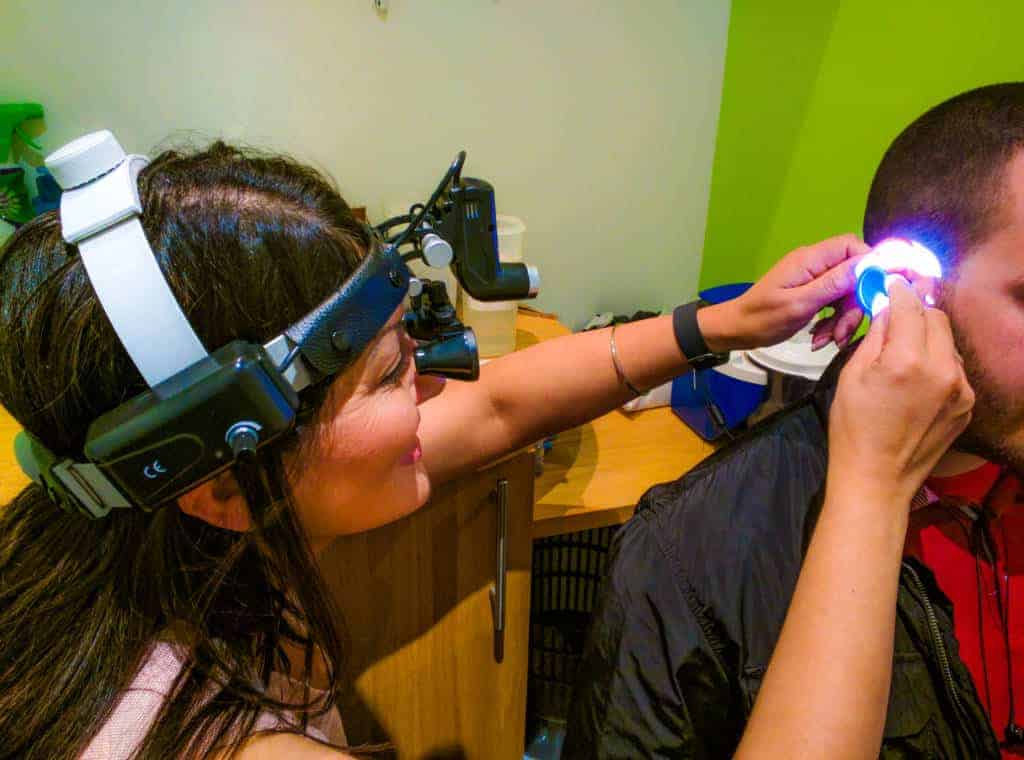
We will be running a training day for one of our part-qualified trainees this coming Wednesday 4th October 2017 at our Baker Street clinic. She has completed her microsuction training and the majority of her supervision and simply needs to perform four more microsuction procedures under the supervision of a UKAS IQIPS accredited microsuction trainer.
Welcome to our Microsuction Central London website. If you are looking for the best, most affordable ear microsuction clinic in Central London, you have found what you are looking for here. The majority of people find that earwax microsuction treatment is completely painless and is much more comfortable than ear syringing or irrigation.
As a big thank you to our volunteers, we are offering 40% off our standard microsuction prices when booked online, so instead of £70 for two ears, it will be £42 for two ears.
So your mind is put at rest, your safety is our top priority at all times. You ear wax removal procedure will be supervised at all times by an accredited microsuction trainer and assessor, and if our trainee is unable to complete the procedure, then our trainer will assess whether the procedure can be safely completed and then finish removing the ear wax as long as it is safe to do so.
We ask that our volunteers fulfill the following criteria:
- You have confirmed ear wax blockage in at least one ear – preferably both!
- You have no previous or current history of eardrum perforation, dizziness, ear infection or pain
- You will apply two squirts of Earol twice a day to each blocked ear for at least 1 day prior to the appointment
Our Central London micro suction clinic is two minutes walk from Baker Street station in NW1 and just a little further from Marylebone station. Nearby is Regents Park and the Sherlock Holmes museum.
Microsuction Volunteer Discount Prices
[global_variable variable_name=”TRAINEEPRICES”]
How To Book A Microsuction Volunteer Central London Appointment
As soon as you are ready to book your micro suction appointment, click on the Book Now button, or follow the link to the booking page, where you can book your appointment at our Central London microsuction clinic. The process is very simple:
- First, create a free account and provide your contact details so that we can send you confirmation of your appointment.
- Then choose our Central London location, and click Ear Wax Removal
- Next choose Microsuction (Volunteer Discount).
- Choose “Any Staff Member” or “Trainee Microsuctionist”
- Now pick 4th October as the date, then a time and then confirm.
- At this point it will take you through the payment process, after which your appointment details will be confirmed to you by email and text message.
To book your ear wax suction appointment online click the button below, or head to the booking page here.

Kudos on the initiative to get volunteers for the training day—talk about a win-win! The idea of completely painless earwax removal sounds like a dream come true, especially considering my last experience with ear syringing, which felt more like a mini waterboarding session than a health procedure.
It’s great to hear you’re on board with the training day initiative. It really does seem like a win-win for everyone involved. I think it’s fascinating how healthcare approaches, like earwax removal, can change over time. I’ve heard that some new technologies are making these procedures much less invasive and more comfortable.
I appreciate your thoughts on the training day initiative. It really does feel like a step in the right direction. When it comes to healthcare, it’s interesting to see how certain practices evolve. You’re spot on about new tech making procedures less invasive. For instance, some clinics now use microsuction instead of traditional methods, and patients often report a much more comfortable experience. Plus, advancements like endoscopic cameras let doctors visualize the ear canal better, helping them provide more precise care. It’s pretty cool to think about how those changes can improve patient comfort and outcomes. What are your thoughts on how these innovations impact patient education?
You’ve made some excellent points about the evolution of healthcare practices. It’s fascinating how innovations like microsuction and endoscopic cameras not only enhance the technical side of procedures but also create a more patient-centered experience. I think the comfort factor is huge—when patients feel at ease, they’re more likely to engage in their care.
It’s interesting to hear your thoughts on the training day initiative and the evolution of procedures like earwax removal. You’re right; the advancements in technology have really transformed how we approach what previously felt like a simple task. With new tools and techniques, we can now provide patients with a far less invasive experience, which makes the whole process smoother and less intimidating.
You raise some interesting points about the evolution of healthcare practices, particularly with something as simple yet vital as earwax removal. It’s true that advancements in technology often allow for more refined and comfortable procedures. The shift away from older, invasive methods is a welcome change, but it’s also worth considering the subtle complexities involved.
It’s great to hear your thoughts on this! Getting volunteers involved can really help create a more relaxed atmosphere, which is crucial for something like earwax removal. Your experience with ear syringing sounds rough—many people share similar feelings about it. The good news is that the methods we’re looking at aim to change that uncomfortable narrative entirely.
It’s encouraging to see opportunities like this for trainees to gain hands-on experience while providing a valuable service to the community. Microsuction is indeed a game-changer when it comes to earwax removal; I remember experiencing the discomfort of syringing in the past, and microsuction felt like a breath of fresh air in comparison.
I completely get what you’re saying about the jump from syringing to microsuction. That old method can feel pretty harsh, right? It’s interesting how such a simple procedure can make a world of difference in comfort. Plus, having trainees involved adds a nice layer to it; they’re not just learning a skill, but also really helping people feel better. It’s cool to think about how those hands-on experiences shape their future careers. Have you noticed any other advancements in ear care that have made a difference for you?
It’s great to hear your thoughts on this. Many people find that syringing can be quite uncomfortable, and it’s interesting how a simple change in technique can make such a difference. Microsuction really does offer a gentler approach that not only helps with the physical discomfort but also reassures those who may feel anxious about earwax removal.
You’re spot on about the discomfort many experience with syringing. It’s amazing how something like earwax removal can cause such anxiety. Microsuction not only addresses the issue more gently but also allows for a clearer view of the ear canal, which can make the whole process feel more controlled and less invasive.
I completely agree with you on the discomfort often associated with syringing. It’s interesting how our perceptions of medical procedures can really shape our experiences. Microsuction really seems to be a game-changer in that regard, doesn’t it?
You bring up a really poignant point about how our feelings towards medical procedures can truly shape what we go through during them. The discomfort of syringing, which so many have experienced, can linger in our minds long after the procedure is over. It’s fascinating to think about how much our perceptions and prior experiences influence that discomfort. When a method feels invasive or uncomfortable, it can create anxiety that compounds the actual sensation during the procedure itself.
You make a great point about the discomfort many experience with syringing. It’s often overlooked just how much stress earwax removal can cause, especially for those already dealing with anxiety about medical procedures.
You’ve touched on a really important aspect of earwax removal that often goes unconsidered. It’s true that the thought of syringing can create anxiety for many, especially if they’ve had a difficult experience in the past or simply struggle with medical settings in general.
It’s great to hear from someone who knows the struggle of battling earwax! You’re right—microsuction really does flip the script on earwax removal. I mean, syringing could be like trying to pour a gallon of water through a coffee filter; messy, a bit uncomfortable, and not exactly the most thrilling experience out there.
I really appreciate your thoughts on the struggles with earwax – it’s a topic that doesn’t get enough attention, yet so many of us are affected by it. The comparison to pouring a gallon of water through a coffee filter is spot on. Syringing can feel invasive and often leaves you wondering if you’re doing it right. Plus, that sensation of water getting trapped can linger and make the whole process feel more stressful than necessary.
I completely understand where you’re coming from. Earwax removal really can be a hassle, and the discomfort level with syringing is often underestimated. It’s like you’re stuck in this awkward space between wanting to maintain proper ear health and dreading the whole experience.
I know exactly what you mean about that uncomfortable balance. Earwax removal can feel like a necessary evil. I’ve had my share of awkward experiences with syringing, and the anxiety before the appointment always seems to outweigh the relief afterward. It’s fascinating how something as mundane as earwax can stir up so much apprehension, right?
I completely get what you’re saying. The whole experience can feel so surreal, right? It’s interesting how something like earwax removal, which seems so trivial on the surface, can generate a mix of anxiety and relief. I had a similar experience with syringing a while back. The sound of the water and everything can be oddly disconcerting, but afterward, the clarity is just so rewarding.
I can definitely relate to that feeling. The whole earwax removal process feels like a necessary evil sometimes. I’ve experienced the discomfort of syringing, and it’s surprising how unsettling it can be. It’s like, one moment you’re trying to take care of your health, and the next you’re regretting every decision that led you there.
I hear you on that one. The earwax removal process can feel like a bit of a rollercoaster. It’s odd how something so seemingly mundane can lead to such a mix of feelings. You go in thinking you’re just taking care of your health, but in the moment, it can feel pretty intense.
You’ve captured that experience perfectly! The comparison of syringing to a coffee filter is spot on. Many people view ear cleanings as a necessary evil, but microsuction really does change the game. It’s fascinating how quickly and effectively it clears things out without the mess or discomfort that often accompanies traditional methods.
It’s interesting how something so small, like earwax, can cause such big headaches. You really hit the nail on the head with that comparison—syringing can feel clumsy and chaotic. Microsuction, on the other hand, turns that whole process around. It’s like having a tiny vacuum that really gets the job done without the fuss. Plus, I’ve heard people say it feels surprisingly gentle. Have you had the chance to try it out yet? If not, it might be worth considering next time your ears feel a bit clogged.
You bring up a great point about the stark difference in experiences between syringing and microsuction. The way you described microsuction as a “tiny vacuum” really captures its charm. It’s fascinating how something that seems so trivial can have a big impact on our comfort.
I appreciate your thoughts on the earwax situation. It is fascinating how such a small thing can lead to bigger issues, isn’t it? The comparison of syringing to a chaotic experience resonates with many people. I think it’s that element of surprise—suddenly feeling like you’re in a mini water park when all you wanted was a simple cleaning.
You’ve hit on something really interesting with the earwax situation. It’s so easy to overlook the tiny parts of our bodies, but they can certainly have a big impact on our overall well-being. The experience of syringing is almost like an unexpected adventure, isn’t it? You head into the clinic thinking it’s just a routine check, and suddenly, you’re immersed in this wild and unpredictable moment. It can feel like you’ve stepped onto a ride that went off-script.
It’s true, the contrast between those two methods is striking. Syringing can really feel like a bit of a wild ride, while microsuction is much smoother and more precise. I’ve heard from several people who’ve tried it that they appreciate how gentle it is. It’s fascinating how something as small and often overlooked as earwax can impact our day-to-day lives.
It’s great to hear that you found microsuction to be a refreshing alternative to syringing. Many people share similar experiences, as traditional methods can often be uncomfortable and even anxiety-inducing. What’s striking about microsuction is not just its effectiveness, but also how much it can ease patients’ worries.
It’s heartening to hear that you found value in the shift from syringing to microsuction. This shift has really transformed how many experience ear care. You touched on something vital—comfort. I’ve spoken with numerous individuals who shared their apprehensions about traditional cleaning methods. Feeling that vulnerability, knowing that something as seemingly simple as earwax removal could spark anxiety, is surprisingly common.
I completely agree with you. It’s fascinating how a small shift in procedure, like switching from syringing to microsuction, can change the whole experience for patients. Being able to sit back and feel at ease during a typically anxiety-inducing situation is such a huge benefit.
You raise an interesting point about the value of hands-on experience for trainees and the direct impact this has on the community. It’s refreshing to think about how initiatives like these not only enhance educational pathways but also meet specific needs that many people might overlook until they’re in a situation where earwax becomes an issue.
This training day sounds like a fantastic opportunity for both the trainee and the volunteers! It’s interesting how the approach to earwax removal has evolved over time. I remember when ear syringing was the go-to method, and it could be quite uncomfortable. Having a painless alternative like microsuction really makes a difference in how we perceive ear care.
You’ve touched on a crucial aspect of ear care that many people might overlook—the evolution of techniques behind something as seemingly simple as earwax removal. Ear syringing, while effective in its time, often left patients feeling anxious or uncomfortable, which could deter regular ear health routines. It’s great to see how innovation has led us to microsuction, which reduces discomfort significantly and allows for a more positive experience overall.
You make a great point about the evolution of ear care practices. I also remember when ear syringing was the norm, and it could definitely be a bit daunting. It’s fascinating how our understanding of health and wellness continues to grow, leading to more comfortable and effective methods like microsuction.
You raise an important point about how ear care has shifted over the years. The memory of ear syringing being a common practice does evoke a sense of nostalgia, but it’s easy to see why many found it daunting. The anxiety that can come from such procedures often outweighs the benefits, especially when there are alternative methods now available that prioritize patient comfort.
You’re right about ear syringing—there was definitely a level of anxiety that came with it. I remember my first experience, feeling unsure about the whole process. It’s interesting how these traditional methods have given way to innovations like microsuction, which seem so much more refined and less invasive.
It’s great to hear that you found the training day so engaging! The shift from ear syringing to methods like microsuction has really changed the landscape of ear care. Many people still have memories of ear syringing and the discomfort it often caused. With microsuction, patients tend to feel much more at ease.
You hit the nail on the head with that memory of ear syringing and the discomfort it brought along like an unwanted house guest. It’s funny to think back on how ear care used to be part surgical precision and part medieval torture. Just a little waterboarding with a side of “Hope I don’t lose my hearing today!” It’s amazing how far we’ve come in the world of ear care—entrance door to microsuction and exit door to not being traumatized for life.
I hear you—ear syringing had its moments, but it often felt more like a science experiment gone wrong than a pleasant experience. The transformation to microsuction is a game-changer, especially since it’s such a quick and effective process. Many folks are surprised to find out how gentle it is compared to what they might remember.
You’ve nailed it; ear syringing often felt like an experiment rather than a routine health check, didn’t it? There’s a certain anxiety that comes with expecting discomfort, and so many of us have carried those memories into adulthood. When you think about it, the way we used to approach ear cleaning was quite an ordeal; it was cumbersome at best and often left us feeling worse than when we started.
You’re right; the whole experience of ear syringing really felt more like an ordeal than a straightforward health check. I remember dreading those appointments, feeling that mix of anxiety and anticipation. It’s interesting how such a simple procedure can leave such an imprint, isn’t it?
You’ve touched on a really important point about ear syringing versus microsuction. Many people can relate to that feeling of anxiety when remembering ear syringing. It could often feel overwhelming, and the unpredictability of how it would go made it seem rather daunting at times. I think there’s a shared understanding among those who have experienced it, and it’s fascinating how attitudes toward ear care have shifted over the years.
You’ve captured the essence of the transition beautifully. Ear syringing had its quirks, didn’t it? I can still recall those anxiety-filled moments before the procedure, wondering if it would feel like a scene from a science lab. The shift to microsuction is refreshing, not just for the effectiveness, but for the calmness it brings to the process. It’s amazing how many people are discovering that something as simple as ear health can be gentle and efficient.
You make a great point about ear syringing feeling more like a wild science experiment. It’s intriguing how our memories shape our perceptions, right? Many people recall those moments with a tinge of dread, which is why the shift to microsuction has been such a breath of fresh air for many.
You’ve touched on something really interesting with how our memories influence our feelings about these procedures. I think a lot of us can relate to that mix of anxiety and curiosity when it comes to ear syringing. It feels like stepping into an old-school chemistry lab where you’re not quite sure what’s going to happen next! The visuals alone—vials, syringes, and the sounds of water rushing—definitely add to that weirdly anticipatory feeling. It’s almost like a rite of passage for anyone who’s had to go through it.
You’re spot on about ear syringing—it really was a mixed bag for many people. It had that dramatic flair, but it often came with a bit of discomfort and unpredictability. The sound of water gushing and the sensation of pressure can be quite unnerving, making it feel more like a medical experiment than a simple cleaning. It’s easy to see why so many were hesitant about the whole process.
This initiative for a training day in microsuction demonstrates an admirable commitment to both professional development and community engagement. It’s encouraging to see clinics like yours actively seeking volunteers to help part-qualified trainees gain the hands-on experience they need to hone their skills. As someone who has experienced the discomfort of traditional ear syringing in the past, I can personally attest to the effectiveness and comfort of microsuction procedures. The approach not only alleviates the discomfort often associated with ear cleaning but also enhances the overall patient experience by providing a more precise and gentle method.
It’s great to hear your positive take on the training day in microsuction. I really appreciate your perspective, especially given your past experiences with traditional ear syringing. It’s always helpful to have firsthand accounts like yours to highlight how much the industry is evolving.
I really appreciate your thoughts on the training day. It’s interesting how far the field has come, right? I remember my initial awkwardness with traditional ear syringing. The shift to microsuction feels like a breath of fresh air—more efficient and honestly just a lot less messy. It’s fascinating how these new techniques can make such a difference in patient comfort and outcomes. Have you had a chance to experience the process yourself? I’d love to hear your thoughts on how it compares!
I appreciate your thoughts on the training day in microsuction. It’s interesting to reflect on how traditional ear syringing often felt like a temporary fix rather than a solution. The evolution to microsuction represents a shift toward more precise and patient-friendly methods, which is crucial.
I’m glad you found my perspective valuable. The shift from traditional ear syringing to microsuction has been quite enlightening for many of us in the field. What stands out to me is not just the technique itself but the overall patient experience and safety involved.
It’s great to hear your perspective on this initiative. Your experience with traditional ear syringing really underscores why we’re focusing on microsuction as a preferred method. Many people have felt those same discomforts you mentioned, and it’s refreshing to see alternative approaches gaining traction.
It’s great to hear your perspective on the microsuction initiative. It’s true that traditional ear syringing can be quite uncomfortable, and many people have similar experiences. That’s part of what drives our commitment to more modern techniques that prioritize patient comfort.
It’s heartening to see that you resonate with the perspective on the microsuction initiative. Comfort during medical procedures can’t be overstated. Many of us have uncomfortable memories of traditional ear syringing, whether it was the sound, the sensation, or even just the anxiety it brings beforehand.
I really appreciate your thoughts on the microsuction initiative. It’s interesting to see how much the conversation around ear care has evolved in recent years. I remember my own experience with traditional ear syringing and how anxious it made me feel, especially thinking about the discomfort involved.
I completely relate to your feelings about traditional ear syringing. It’s interesting how our perceptions of certain medical procedures can shift over time based on our experiences. I remember my first time going through it; the anxiety definitely overshadowed any relief I thought I would feel afterward.
It’s great to hear your thoughts on the microsuction initiative. Your experience with traditional ear syringing really highlights a common concern many people have. The anxiety surrounding discomfort can be a barrier to seeking help. I’ve spoken to quite a few individuals who share similar feelings about the old methods, particularly with the uncertainty about what to expect during the process.
It’s great to hear your perspective on this initiative. Many people have had similar experiences with traditional ear syringing, and it’s clear that microsuction offers a more comfortable alternative. The feedback we’ve gathered from patients has been overwhelmingly positive, and it really drives home the importance of adapting our practices to prioritize patient comfort.
I appreciate you sharing your thoughts on this initiative. It’s interesting how traditional ear syringing has been a common experience for so many, and hearing from patients really highlights just how much they value comfort during these procedures. With microsuction becoming more popular, it’s refreshing to see that shift in focus towards what feels better for patients.
It’s great to hear about your experience with microsuction and how it has made a difference for you. Your perspective sheds light on a crucial aspect of why we’re focusing on training and community involvement. Traditional ear syringing can indeed be uncomfortable for many, so exploring more effective methods like microsuction seems essential.
I appreciate your thoughts on this topic. There’s definitely something refreshing about how microsuction addresses the discomfort many people associate with traditional ear syringing. It’s not just about the technique but also about creating a more positive experience for patients.
It’s interesting to see the emphasis on training new practitioners in the field of microsuction, particularly in a bustling area like Central London. This initiative reflects a critical gap in the healthcare sector where hands-on experience often directly impacts patient care quality. I wonder about the broader implications for healthcare when training programs incorporate volunteer participation. This model not only supports the development of trainees but also opens access to affordable healthcare services for individuals who might otherwise hesitate to seek treatment.
You raise some interesting points about the emphasis on training new practitioners in microsuction, especially in a vibrant place like Central London. It’s true that developing practical skills in healthcare can significantly affect the quality of patient care. That hands-on experience is something that theory alone can’t provide.
You’ve hit the nail on the head with that one. Training in something as intricate as microsuction isn’t just a box to tick; it’s more of an art form when you think about it. I mean, here we are in Central London, a melting pot of cultures, noises, and, let’s face it, a fair amount of earwax accumulated over time. It’s like a never-ending market of ear-related mysteries waiting to be solved with a skillful touch!
You’ve touched on something really important with the emphasis on practical skills in healthcare, especially when it comes to a bustling area like Central London. There’s a unique dynamic here where the fast pace of life can influence the way we think about training new practitioners, particularly in techniques like microsuction.
You raise a great point about the pace of life in Central London and its impact on training new practitioners. There’s something quite distinct about working in such a vibrant, fast-moving environment. It’s easy to see how the demand for quick, efficient healthcare can sometimes overshadow the importance of developing those practical skills that really matter, like microsuction.
It’s encouraging to see opportunities like this for hands-on training in a crucial healthcare skill. Microsuction not only offers a safer alternative to ear syringing, but it represents a pivotal shift towards more patient-centered care in the realm of audiology. The fact that you’re engaging volunteers not only supports the trainee’s development but also fosters community involvement.
It’s great to hear your thoughts on the significance of hands-on training in microsuction. You’re spot on about how this technique not only prioritizes safety but also aligns with a broader trend in healthcare, where patient-centered care is increasingly at the forefront. In audiology, where patient comfort and trust are essential, microsuction provides an alternative that can ease anxiety, often associated with traditional ear syringing.
You’ve hit the nail on the head with your thoughts on microsuction! It really feels like we’re stepping into a new era in audiology. It’s like trading in a trusty old bike for a sleek electric one—same destination but a whole lot smoother ride. And who wouldn’t appreciate the idea of a safer alternative to ear syringing? Let’s be honest, the sound of a kettle boiling while someone approaches with a syringe isn’t the most comforting image, right?
It’s interesting to see opportunities like this for volunteers in the healthcare field, especially in such a specific area like microsuction. I’ve always found earwax removal fascinating, especially with how technology has evolved over the years. The shift from traditional methods like ear syringing to microsuction highlights not only advancements in medical techniques but also a growing awareness of patient comfort and experience.
It’s great to hear your thoughts on that! The evolution of ear care, especially with procedures like microsuction, really showcases how healthcare adapts over time. It’s wild to think about how many people still picture ear syringing as the go-to method.
You’ve pointed out a really engaging aspect of the evolving landscape in ear care. The transition from the traditional ear syringing to microsuction is not just a technological leap; it’s a reflection of how patient-centered care is becoming increasingly important in healthcare practices.
What a fantastic initiative you have here with the microsuction training day! It’s impressive to see how this type of hands-on training not only benefits the trainees but also the community by providing affordable ear care options. Given the rising awareness of the importance of ear health, I believe events like this play a crucial role in enhancing public understanding and accessibility to safe treatments.
I appreciate your thoughtful reflections on the microsuction training day. It’s encouraging to hear that you recognize not just the value of hands-on training for participants, but also its broader impact on community health.
It’s interesting to see the emphasis on training and volunteer involvement in the microsuction process. As a health professional myself, I understand how crucial hands-on experience is for developing proficiency in any clinical skill, especially those as delicate as earwax removal. It’s impressive that you’re facilitating this in an environment accredited by UKAS IQIPS, ensuring quality care and safety for patients.
You’ve hit on a vital point regarding the hands-on experience in the microsuction process. As you know, clinical skills can really only be truly mastered through practice, and it’s particularly true for delicate procedures like earwax removal. It’s fascinating to see how training in a controlled, accredited environment influences not just the effectiveness of the procedures, but also the overall confidence of those involved.
It’s great to hear your perspective as a health professional. You’re spot on about the importance of hands-on experience, especially with something as sensitive as earwax removal. In our training, we focus on creating a supportive environment where volunteers can not only practice but also learn from each other.
It’s great to connect with someone who shares the same appreciation for the hands-on aspect of clinical skills. I completely agree that the intricacies of procedures like microsuction really highlight the importance of training and practice. Having quality accreditation, such as UKAS IQIPS, definitely adds a layer of reassurance, not just for professionals but also for patients who put their trust in our hands.
I really resonate with your thoughts on the hands-on aspect of clinical skills. There’s something so rewarding about being able to apply our training in practical settings, especially with delicate procedures like microsuction. It really is a testament to how crucial our training and practice are in delivering quality care.
Ah, the joys of earwax removal! Who knew that saving souls from the tyranny of earwax could come with a discount? I could just imagine a bunch of unsuspecting volunteers thinking, “What’s the worst that could happen?” while they step forward for some selfless heroics. Honestly, though, the move from syringing to microsuction seems like trading in a trusty old bicycle for a sleek electric scooter. Much cooler and way less messy! Plus, when you can catch your favorite podcast while getting your ears declogged, that’s a win-win in my book.
You nailed it! Earwax removal does have that almost heroic vibe to it—like some epic quest for clean ears. And who would’ve thought a little suction could be so revolutionary? Trading in syringing for microsuction really is like swapping the good old bicycle for that fancy electric scooter. It makes the whole process feel more like a digital detox than a messy chore.
It’s fascinating how something as routine as earwax removal can spark such lively thoughts! The image of unsuspecting volunteers stepping up is kind of amusing—it makes you think about the unexpected adventures we find in everyday tasks. You’re right; the shift from traditional syringing to microsuction really feels like an upgrade to something more modern and efficient, much like moving from that trusty old bicycle to an electric scooter.
You bring up a really interesting point about the unexpected layers of everyday tasks, like earwax removal. It’s true that we often don’t think about these mundane experiences in a deeper way until we pause to reflect. The idea of volunteers stepping into a situation that can seem a bit uncomfortable or odd certainly adds a humorous touch. It’s like being part of a quirky experiment—who would have thought that something so routine could lead to these moments of unexpected camaraderie or even a little adventure?
It’s exciting to see such initiatives taking place as they not only provide invaluable training for future professionals but also allow community members to benefit from affordable healthcare options. I’ve been reading quite a bit about the increasing popularity of microsuction compared to traditional ear syringing methods. It’s fascinating how advancements in technology are making procedures less invasive and more comfortable for patients.
It’s great to hear your enthusiasm for these initiatives; they really do make a difference on multiple levels. When it comes to healthcare, especially in communities, having accessible options can transform lives. It’s not just about the treatment; it’s about creating a network of support that encourages people to take charge of their health.
I appreciate how you highlighted the importance of having accessible healthcare options in communities. It’s true that a strong network of support not only makes treatment more effective but also fosters a culture of well-being and prevention. I’ve seen firsthand how initiatives that promote health literacy and community engagement can empower individuals to take control of their health.
You’ve touched on a crucial aspect of healthcare that often gets overlooked: the role of community in individual health outcomes. It’s encouraging to see how health literacy and community engagement can shape the way people approach their own well-being. When individuals feel empowered to understand their health choices, it can lead to more proactive behaviors and overall life satisfaction.
You’ve captured the heart of the matter perfectly. Accessibility in healthcare isn’t just about having a clinic around the corner; it’s about building a community where everyone feels empowered to prioritize their well-being. Imagine a neighborhood where people feel comfortable discussing their health challenges openly, knowing they have a support system that truly understands their journey.
You’ve really highlighted an important aspect of healthcare that often gets overlooked. Accessibility can easily be reduced to just proximity, but it goes so much deeper than that. The idea of a neighborhood where people feel comfortable discussing their health challenges is crucial. In many ways, that kind of openness can dismantle the stigma that often surrounds health issues.
You’ve nailed it with the idea that accessibility isn’t just about being close to healthcare facilities. It’s so much richer and more nuanced than that. When people feel they can share their health challenges openly, it fosters a community where support is natural. It creates a safe space where conversations can flow, breaking down barriers.
You raise such an important point about the role of accessible healthcare in communities. It’s fascinating how access to healthcare options goes beyond just the physical treatment. When people feel they have the support they need, it creates a ripple effect not just in their own lives but throughout the community.
You’ve hit on something that often gets overlooked in discussions about healthcare. It’s not just about getting treated when you’re sick; it’s about creating an environment where health is a shared priority. When people in a community feel they can access the care they need, it fosters a sense of trust and empowerment. This support motivates individuals to take better care of themselves, knowing they have resources at their fingertips.
You bring up such an important point about the role of accessible healthcare in transforming lives. It’s true that while treatment is crucial, the broader context matters just as much. When people have access to healthcare, it opens up a world of possibilities. They don’t just get medical attention but also find a community that understands and supports their journey.
I completely agree—it’s inspiring to see how these initiatives not only train future healthcare professionals but also enhance community support with accessible services. The contrast between microsuction and traditional ear syringing really highlights how medical technology evolves for better patient experiences.
It’s great to hear your thoughts on this! The way these initiatives mesh education with community service really is a game changer. It’s so refreshing to see future healthcare professionals getting hands-on training while directly impacting their communities. This approach doesn’t just help the students learn; it also promotes a culture of care and accessibility that benefits everyone involved.
I appreciate your thoughts on this. It’s interesting how advancements in medical technology really reshape our understanding of patient care, isn’t it? The evolution from traditional ear syringing to microsuction reflects not just improved techniques but also a deeper emphasis on comfort and accessibility. I think it’s a crucial step in making healthcare more patient-centered.
It’s interesting to see training initiatives like this, especially in a field that combines skill development with direct patient care. However, I can’t help but wonder about the implications of using volunteers for such critical procedures. While the discounted treatment is enticing, it raises questions about informed consent and the potential risks involved for both the volunteers and the trainee performing the microsuction.
You’ve raised some really important points here, and it’s great to see this kind of thoughtfulness in conversations about training programs. The balance between skill development for trainees and ensuring the safety and well-being of patients is a delicate one, especially in fields as hands-on as healthcare.
You’ve raised some really important points here, and it’s great to see this kind of thoughtfulness in conversations about training programs. The balance between skill development for trainees and ensuring the safety and well-being of patients is indeed a delicate one, especially in fields as hands-on as healthcare.
You’ve raised some really important points here, and it’s great to see this kind of thoughtfulness in conversations about training programs. The balance between skill development for trainees and ensuring the safety and well-being of patients is indeed a delicate one, especially in fields as hands-on as healthcare.
You raise some important points about the use of volunteers in this context. It’s great to see that people are thinking critically about the implications of training programs like these. Informed consent is crucial, and it’s essential that volunteers fully understand what the procedures entail, including any associated risks.
You bring up some really important points that deserve a deeper dive. The intersection of skill development and patient care can definitely create a bit of a gray area, especially when we’re talking about volunteers stepping in for procedures like microsuction.
This announcement about the training day for microsuction is quite interesting, especially considering how often people overlook the importance of ear health. It’s impressive that there are programs like this that not only help trainees gain essential skills but also connect with the community. Earwax buildup is something that many individuals don’t think about until they experience discomfort or hearing issues, yet it can impact one’s quality of life significantly.
I completely agree with you about the significance of ear health. It’s fascinating how most people don’t consider it until they encounter a problem. I’ve read that earwax plays an important role in protecting our ears, but when it’s not managed properly, it can lead to discomfort or even hearing loss. It’s great that there are training programs focusing on microsuction because they not only enhance skills but also promote awareness about ear health in the community.
You’ve hit the nail on the head with that observation about ear health—so many people don’t really think about it until their ears start to sound like they’re hosting a private rock concert. And can you blame them? Ear health doesn’t exactly have the same glamour as, say, fashion trends or the latest smartphone gadget.
You’ve touched on such a crucial point about ear health! Many people really aren’t aware of how earwax buildup can sneak up on them until it starts causing real problems. It’s fascinating to see how something so small can play a big role in our overall well-being.
It’s encouraging to see such hands-on training opportunities within the healthcare field, particularly in a specialized area like microsuction. The need for proficient practitioners in earwax removal is significant, especially given the discomfort that many people experience with traditional methods like syringing or irrigation.
You raise a good point about the hands-on training in areas like microsuction. Many people aren’t aware of how much discomfort traditional methods can cause, and the benefits of a more gentle approach can be significant. What often gets overlooked are the broader implications of effective earwax removal—like how ear health can impact overall well-being. It’s not just about comfort; untreated earwax buildup can lead to other health issues, including hearing loss.
You make a great point about the significance of hands-on training in the healthcare field, especially for something as specific as microsuction. It’s interesting to think about how many people struggle with earwax issues but may shy away from traditional methods because of discomfort or even fear.
It’s fascinating to see the emphasis on practical training in such a specialized area as microsuction. The idea of a volunteer training day highlights the importance of hands-on experience in the healthcare sector, particularly for procedures that can improve patient comfort significantly compared to traditional methods like ear syringing.
You’ve hit the nail on the head! Practical training in microsuction is like finding the secret menu at a diner—totally a game changer. Who knew that getting rid of earwax could be such an art form? And a volunteer training day? It’s probably the only time you can wear scrubs, wield a fancy suction device, and not get weird looks at a party. Who wouldn’t want to be the life of the party with tales of how they’ve tackled stubborn earwax? Plus, the comfort factor for patients can’t be stressed enough; you might even say it’s the “ear-resistible” alternative to traditional methods. What’s next? A reality show called ‘Squirt and Suck’? That could bring an entire new meaning to must-see TV!
You’ve really captured the essence of microsuction here. It’s intriguing how something that might seem so mundane, like earwax removal, can actually reveal a whole world of skill and precision. I’ve been thinking about how advancements in health technology have changed so many aspects of patient care, and microsuction is a prime example of that shift. It reflects not just a method but a mindset towards making healthcare more patient-centric, which is refreshing.
You’ve highlighted such an important point about how something as straightforward as earwax removal can symbolize a larger shift in healthcare. It’s fascinating to think about the precision and care that microsuction involves—not just in the technical process but also in the way it prioritizes patient comfort and safety.
Your observation about the emphasis on practical training in the microsuction process really touches on a crucial aspect of effective healthcare. Hands-on experience is vital, especially in specialized areas where patient comfort is paramount. The traditional methods, like ear syringing, often come with discomfort or even anxiety for patients, making the shift to microsuction a game changer.
You bring up an important point regarding the value of practical training in the microsuction process. It’s true that hands-on experience can drastically shift the dynamics of patient care, especially in sensitive procedures. This is where the rubber meets the road in healthcare – the difference between knowing a procedure theoretically and performing it with finesse and care.
What a brilliant initiative you’ve got going on here! I can’t help but chuckle at the thought of being part of a microsuction training day—that’s not something you hear about every day, is it? It feels a bit like a radio station giving behind-the-scenes access to how ‘Earwax FM’ operates! I mean, the mental image of a room filled with aspiring audiologists fine-tuning their wax-extraction skills is both amusing and impressive.
This initiative to offer microsuction training with the involvement of volunteers is a commendable approach not only for educational purposes but also for public engagement with a healthcare practice that often lacks awareness among the general population. I wholeheartedly support the notion that experiential learning, particularly in a field as delicate as ear health, can significantly enhance one’s practical skills and confidence as a healthcare provider.
I couldn’t agree more with your thoughts on the value of microsuction training, especially when it involves volunteers. It’s fascinating how education and awareness can go hand in hand in fields like ear health, which often isn’t at the forefront of public discussion. I think many people don’t realize just how intricate and essential ear care is to overall health and wellness.
I love that you’re seeking volunteers for the training day! It’s almost like a wellness spa day, but instead of cucumber slices on your eyes, you get a front-row seat to the mysteries of earwax removal. Anyone else feel like ear microsuction should be a part of a reality TV show? “Survivor: The Ear Canal Edition” could really take off! But seriously, it’s great to see affordable options for something that’s usually a bit daunting. Can we also get a volunteer discount for getting our ears cleaned out on the other end by the professionals? Because let’s be real, after that, I think I’d be ready to take on anything!
I love your take on the training day—it does have that spa day vibe, doesn’t it? Who knew earwax removal could evoke such a relaxing image? It’s great to think of it in those terms, especially as many people find something as routine as ear cleaning to be a bit intimidating. The thought of an “Ear Canal Edition” of a reality show is quite amusing, too. Can you imagine the suspense of waiting to see if someone makes a surprise discovery in the ear canal? It’s wild how something so mundane can spark creative ideas like that.
I love the way you captured the quirky side of ear microsuction! It really is wild to think that something so routine could be seen as a sort of adventure. “Survivor: The Ear Canal Edition” definitely has a catchy ring to it—imagine the suspense as they get closer to the big reveal. I can see the tension building over whether they find the elusive “golden earwax.”
Ah, the old earwax conundrum—a true testament to the wonders of modern medicine! I must admit, I once thought cleaning ears was the domain of cotton swabs and the occasional quick flick of the head—who knew it could be so scientific?
This sounds like a fantastic opportunity for anyone interested in microsuction! It’s interesting to see how training days like these not only help new practitioners sharpen their skills but also provide a practical service to the community at a discounted rate. The idea of offering such a significant discount for volunteers is a smart way to encourage participation while making ear health more accessible.
What a unique way to get involved in the world of ear care! It’s like a DIY spa day for your ears—with a discount! Who knew you could get a makeover for your ear canals? I remember the first time I heard about microsuction; I thought it sounded like a sci-fi movie plot. But really, it’s fascinating how technology has made ear care so much more comfortable compared to the old school syringing method. Just goes to show, we’re not stuck in the dark ages of Q-tips anymore! Anyone else thinking of volunteering just to snag that sweet 40% off? Ears need love too!
You bring up some great points! The idea of a DIY spa day for your ears is pretty spot-on. It’s interesting how we often think about self-care in terms of face masks or massages, while our ears get overlooked. Many people don’t realize that ear health is just as important, and microsuction really does feel like a leap into a more modern way of taking care of ourselves compared to the old syringing method — which can be uncomfortable and messy.
You’ve captured the essence of this approach really well. Transforming ear care into a comfortable experience feels like a refreshing twist, especially considering the more daunting methods of the past. The beauty of microsuction is that it’s not just about keeping our ears clean; it’s also about making sure we feel good while doing it. The shift from syringing to a more precise and gentle technique has made a real difference for many.
Ah, the elusive quest for clear ears! It’s quite fascinating how we’ve moved on from the medieval practices of ear syringing, which sounds more like a torture method than a treatment, to the modern marvel of microsuction. I mean, who knew you could clear out earwax in a high-tech way that doesn’t involve a torture device?
You’re spot on about the evolution of ear care—it’s remarkable how far we’ve come. The thought of medieval ear syringing really does sound more like something out of a horror film than a health treatment. Who would have thought that such a sensitive area would have such a rough history?
It is interesting, isn’t it? The evolution of ear care is quite the journey. Ear syringing does sound rough by today’s standards, and it makes you appreciate how far we’ve come. Modern methods like microsuction really do feel like a leap into the future—more about precision and comfort than anything else.
It’s interesting to think about how far we’ve come in treating ear issues. You hit on an important point—what was once a painful and invasive practice has transformed into something that feels far more humane and effective. Microsuction is not only advanced but also opens up a dialogue about how we view our health.
You make a great observation about the shift in how we approach ear care. It’s fascinating to see the evolution from those invasive practices to something much more user-friendly like microsuction. It really raises the question of how advancements in technology and a better understanding of patient comfort can transform our experiences with health care.
It’s interesting to reflect on how perceptions of ear health have evolved, isn’t it? The contrast between medieval practices and modern methods really highlights society’s growing understanding of healthcare. Ear syringing does sound quite brutal in hindsight, and I think many people are relieved that we’ve developed more humane and effective approaches.
It’s interesting to think about how our approaches to health have evolved, especially with something as seemingly mundane as ear care. Ear syringing, which really does sound barbaric by today’s standards, was once the go-to method for clearing stubborn wax. It raises a lot of questions about what we consider standard practice and how public perception influences these choices.
You raise a really compelling point about how our understanding and practices around ear care reflect broader shifts in medical philosophy and societal norms. It’s fascinating to think about how what was once considered routine, like ear syringing, might evoke discomfort or even horror for many today. This evolution in our approach not only showcases advances in medical knowledge but also highlights how our perceptions of safety and efficacy can change over time.
You’ve hit on a really interesting shift in how we approach ear care. Those medieval methods do sound pretty brutal. It’s quite a contrast to the precision of microsuction, where a trained professional uses a gentle suction technique to remove earwax without the pain or discomfort that older methods often caused.
You raise an important point about the evolution of ear care. It’s fascinating to think about how our understanding of health and hygiene has progressed over the centuries. Those medieval methods certainly had a harsh edge to them, showcasing how little was known about the human body at that time. Today, with techniques like microsuction, we see a blend of technology and expertise that can provide safer and more comfortable experiences for patients.
You’re touching on an interesting point about the evolution of ear care. It’s remarkable how our understanding of health and hygiene has progressed over the centuries. The medieval practices you mentioned often involved uncomfortable – and honestly, pretty risky – methods of ear cleaning. It makes one wonder how many people went through that only to end up worse off than before.
It’s interesting to see the emphasis on volunteer participation in this training initiative. Not only does it provide valuable hands-on experience for the trainee, but it also highlights the collaborative aspect of health care training. The 40% discount is a thoughtful incentive that acknowledges the volunteers’ contributions, making it accessible for more individuals to experience the benefits of microsuction compared to traditional methods like ear syringing.
You’re spot on about the value of volunteer participation in training initiatives. It’s refreshing to see how this approach not only benefits the trainees but fosters a sense of community in healthcare. When volunteers step in, they’re not just getting hands-on experience; they’re also building connections that can last well beyond the training.
It’s great to see you appreciate the value of volunteer participation! The hands-on experience really does make a difference in the learning process. Plus, involving volunteers fosters that sense of community, showing how everyone plays a role in enhancing health care.
It’s exciting to see opportunities for hands-on training like this one, especially in a field that directly impacts people’s comfort and well-being. Microsuction has gained significant traction as a preferred method for earwax removal, largely due to its effectiveness and minimal discomfort compared to traditional syringing methods. I remember my own experience with earwax issues; after years of dealing with the discomfort of buildup, I finally tried microsuction and was impressed by how gentle and swift the procedure was.
You’re spot on about microsuction—it’s like the spa day your ears never knew they needed. It’s funny how we often put off addressing earwax issues until it feels like we’re wearing soundproof headphones during a concert. Your experience sounds all too familiar; so many people suffer in silence, assuming earwax is just part of life. Little do they know there’s a VIP treatment available!
It’s great to hear about your experience with microsuction. Many people are surprised by how gentle and effective it can be, especially after having gone through the discomfort of traditional methods. It’s interesting how attitudes toward ear care have been evolving; there’s more awareness now about the importance of using techniques that prioritize patient comfort.
I can’t believe I’m actually considering volunteering for a microsuction. I mean, “earwax treatment” doesn’t sound like it would make the highlight reel at parties, but hey, it’s probably better than sitting through yet another mediocre Zoom meeting. Plus, who wouldn’t want to walk away with a 40% discount? That could fund my next impulse buy on Amazon—maybe a gadget that gets rid of the impulse buys!
It’s great to hear you’re considering volunteering for a microsuction. Earwax treatment might not be the most glamorous topic, but it’s honestly fascinating when you think about it! Plus, your comparison to a boring Zoom meeting really hits home—it’s a way to break up the routine and maybe even do something genuinely helpful for others.
You make a good point about the irony of micrsoction as a party topic. It’s true, not exactly the stuff of legends. But maybe there’s something to be said for the stories we don’t often hear? Ear health often takes a backseat in conversations, but one little tweak in our health can change our day-to-day experience, not to mention our mood.
It’s fantastic to see initiatives like this to help trainees gain the necessary experience in such a vital healthcare skill. I remember my first experience with microsuction—it was surprisingly quick and painless compared to traditional methods like syringing, which had always made me a bit anxious. Offering 40% off to volunteers is a great way to not only incentivize participation but also show appreciation for those helping out in this learning process.
It’s great to hear that you had such a positive experience with microsuction. It’s remarkable how advancements in healthcare can transform procedures that once felt daunting into something much more manageable and even comfortable. Your reflection on the anxiety associated with traditional methods really captures the concern many patients feel, and highlights why we’re striving to improve experiences in healthcare settings.
It’s great to hear your thoughts about the experience of microsuction. It really does stand out as a modern approach, doesn’t it? The fact that it can be quick and painless makes such a difference for those who might feel anxious about ear care. Traditional methods like syringing can be a bit daunting, especially with the unfamiliar sounds and feelings involved. The goal with microsuction is to provide a more comfortable option, and it’s encouraging to know that people have had positive experiences with it.
It’s exciting to see such initiatives in Central London, especially when it comes to promoting accessible health care options like microsuction for earwax removal. As someone who has experienced both microsuction and syringing, I can definitely attest to the comfort and efficiency of microsuction. The fact that this training day not only benefits the trainee but also offers a discount to volunteers is a win-win!
It’s great to hear your thoughts on this! Your experience with microsuction versus syringing really highlights why these initiatives are so important. Many people don’t realize just how much comfort and efficiency can make a difference in something as routine as earwax removal.
It’s great to hear your perspective on microsuction—your experiences really highlight its advantages over traditional syringing. It’s interesting how much innovation has transformed the way we approach personalized health care. I think there’s a growing recognition of the importance of comfort in medical treatments, especially when it comes to something as sensitive as ear care.
It’s really interesting to see initiatives like this one for microsuction training! Volunteer opportunities not only help the trainees gain invaluable experience but also give people a chance to be part of something that can significantly improve their well-being. I’ve had my share of experiences with earwax removal, and I must say, the microsuction method is a lifesaver compared to the traditional syringing. I remember the first time I had it done; I was surprised at how quick and painless it was.
You’re touching on a really important aspect of healthcare here, and it’s great to hear your positive experience with microsuction. The shift from traditional methods like syringing to more advanced techniques truly reflects how far we’ve come in making patient care more efficient and less daunting. The quick and painless nature of microsuction aligns with a growing understanding of patient comfort, which should always be a priority in any treatment.
Your perspective on microsuction training is spot on. It’s fascinating how volunteer initiatives create a win-win situation for both the trainees and the community. Trainees get hands-on experience, which is essential in healthcare, while those receiving treatment benefit from a method that’s not only more effective but often more comfortable than traditional syringing.
It’s fantastic to see initiatives like this that not only enhance training for professionals but also provide an opportunity for the community to benefit from affordable, effective ear care. I’ve always found microsuction to be a far more pleasant experience than traditional ear syringing, and it’s great that others will get to experience this too, especially with the discount incentive!
You’ve touched on some really important points here. The focus on making ear care both accessible and effective is vital, especially since many people might not even realize how significant ear health is until they experience issues. It’s exciting that the community has the chance to benefit from these innovations, and I agree that microsuction is a game-changer compared to traditional ear syringing.
It’s really interesting to see how the field of ear care is evolving, particularly with methods like microsuction gaining more popularity. I personally had my first experience with earwax microsuction last year, and I was pleasantly surprised by how straightforward and painless the process was compared to the traditional ear syringing methods I had experienced in the past. It’s a relief to know that clinics like yours are embracing newer, less invasive techniques.
It’s great to hear you had a smooth experience with microsuction. It really does feel like giving a rebellious earwax the boot without all the drama, doesn’t it? Traditional ear syringing can feel like a water fight with your own ear, while microsuction is more like a polite conversation—just a vacuum and some gentle persuasion.
It’s great to hear about your positive experience with microsuction. Many people find it surprising how much gentler and effective this method can be compared to ear syringing. It really highlights how advancements in ear care are making a difference in patient comfort and outcomes.
This initiative to involve volunteers in microsuction training is such a valuable contribution to both the trainees and the community. Having undergone similar earwax removal treatments myself, I can attest to the benefits of microsuction over traditional methods like syringing. It’s fascinating how this technique, which is relatively new in the broader context of ear health, is gaining traction due to its effectiveness and comfort.
You bring up some great points about microsuction and its advantages over traditional methods like syringing. It’s really interesting to see how people are beginning to recognize the benefits of this approach, especially when many of us grew up with the more conventional methods that often felt a bit intimidating or uncomfortable.
It’s great to hear about your positive experience with earwax removal treatments, especially with microsuction. Many people are still catching up to this technique, but the shift is so encouraging. The benefits you mentioned—comfort and effectiveness—really stand out when we compare it to traditional methods like syringing, which can sometimes be a bit uncomfortable or even awkward.
I completely agree with you on the advantages of microsuction over traditional methods like syringing. For me, the comfort factor is a game changer. I remember my last experience with syringing—it felt so invasive and honestly a bit nerve-wracking. With microsuction, it was like a breath of fresh air.
This is such an interesting initiative! It’s fantastic to see a training day that not only benefits the trainee but also gives volunteers a chance to experience microsuction at a discounted rate. I’ve heard a lot about how effective and comfortable microsuction can be compared to traditional ear syringing methods, and this is a great opportunity for those who are curious but might have hesitated due to cost.
This training opportunity sounds like a wonderful way to support the development of a future practitioner while also providing an essential service to the community. I remember my own experience with earwax removal, which was a bit daunting until I learned about microsuction as a more comfortable and effective option than traditional syringing. It’s great to see initiatives like this that not only enhance the skills of trainees but also prioritize patient comfort and safety.
It’s interesting to see a training day for microsuction being organized, especially given the rising awareness about the health impacts of earwax buildup. Many individuals often overlook the importance of ear care until they encounter problems, and initiatives like this can shed light on a vital yet often disregarded aspect of personal health. The fact that you’ve secured an accredited trainer to supervise the trainee is commendable; it illustrates a commitment to maintaining high standards in practice.
This initiative for a microsuction training day is exciting not just for the trainee but also for participants who might benefit from the service. Having experienced earwax removal through microsuction, I can attest to its effectiveness compared to traditional methods like syringing or irrigation. The comfort level is significantly higher, which is particularly important for individuals with sensitive ears or those who have had unpleasant experiences in the past.
You bring up a really important point about the comfort and effectiveness of microsuction for earwax removal. It’s true that many people who have had a negative experience with traditional methods often hesitate to seek help again. That’s why initiatives like the microsuction training day are so vital—not just for those who want to learn the technique, but also for the people who really need the care and reassurance that comes with it.
I think it’s fantastic that you’re offering volunteers a chance to participate in such a valuable training day. Microsuction, in particular, can be a game changer for many who struggle with earwax build-up, especially for those who’ve found other methods like syringing uncomfortable.
It’s wonderful to see initiatives like this that not only help part-qualified trainees gain essential experience but also provide an affordable option for the community. I remember when I had my earwax microsuction done; the process was surprisingly quick and pain-free compared to traditional methods. It’s interesting how technology has evolved in ear care, shifting away from ear syringing to more comfortable alternatives. I hope many people take advantage of the 40% discount while also contributing to the development of new professionals in the field. It’s a win-win! Has anyone else tried microsuction? I’d love to hear your experiences!
It’s inspiring to see initiatives like this that not only contribute to the professional development of trainees but also provide a valuable service to the community. Ear health is often overlooked, yet it plays such a crucial role in our overall well-being. I can personally attest to the discomfort that can come from excessive earwax buildup; it can greatly impact your daily life, from hearing difficulties to the sense of fullness in the ear.
You’re right to highlight the importance of ear health—it often doesn’t get the attention it deserves compared to other areas of well-being. Many people experience challenges with earwax buildup but might not know that simple steps can help manage it effectively. Education on ear care isn’t just beneficial for trainees; it’s a vital community service that can genuinely improve quality of life.
It’s wonderful to see initiatives like this training day for microsuction, highlighting the importance of hands-on experience in healthcare. Having been through similar training days in the past, I know how valuable they are not just for the trainee but also for the volunteers. It’s a remarkable experience to contribute to someone’s learning journey while receiving professional care at a discounted price.
The concept of offering microsuction training for volunteers offers a fascinating perspective on how healthcare training can be effectively integrated into community service initiatives. The opportunity for individuals to participate in medical procedures, even under supervision, emphasizes the collaborative nature of healthcare, where learning and community support go hand in hand. It also underscores the critical importance of practical experience in training healthcare professionals, particularly in fields that require precision and delicacy like earwax removal.
You’ve hit the nail on the head! It’s pretty wild to think that someone can go from handing out pamphlets at health fairs to effortlessly wielding a microsuction device. Talk about a glow-up! The blend of community involvement and hands-on training creates a unique dynamic that not only helps fill the gaps in healthcare access but also empowers people to step into active roles versus just being spectators.
This training day sounds like a fantastic opportunity both for the trainees and volunteers! It’s interesting how microsuction is becoming more recognized as a more comfortable alternative to traditional ear syringing. I remember my own experience with earwax removal; it was surprisingly quick and painless compared to what I used to think it would be.
It’s great to hear about your positive experience with earwax removal. Many people hold similar misconceptions about the process, often picturing a lengthy and uncomfortable ordeal.
It’s intriguing to see how much the field of microsuction has evolved, especially in settings like Central London where access to advanced medical procedures is becoming more streamlined. The concept of offering training days for part-qualified trainees not only benefits the individual receiving training but also contributes to a community of learning and skill development. It reflects a growing trend in healthcare where hands-on experience under expert supervision is prioritized, striking a balance between patient care and training the next generation of practitioners.
I completely resonate with your observations about the evolution of microsuction and the training initiatives that are emerging. It’s fascinating how the integration of advanced medical procedures has become more accessible, especially in a bustling city like Central London. The idea of training days for part-qualified trainees is truly a win-win scenario; it not only enhances the trainees’ skills but also fosters a collaborative environment where knowledge can be shared freely.
This opportunity for volunteering at the microsuction training day is a fantastic initiative. Not only does it provide a platform for a trainee to gain essential hands-on experience, but it also opens up avenues for those in need of earwax removal at a reduced price. It’s interesting how such practical training sessions can build community engagement and trust in a healthcare setting.
What a clever way to keep things buzzing at the clinic! Offering a discount for volunteers is a stroke of genius. It’s like a win-win: the trainee gets the experience she needs, and we get the chance to clear out our earwax without breaking the bank. Personally, I think ear microsuction should be a part of the regular self-care routine—right up there with facials and yoga.
It’s fascinating to see initiatives like this that not only help train future practitioners but also encourage community engagement. The transition from traditional methods like ear syringing to microsuction represents a significant advancement in ear health treatment. The fact that many find the microsuction process less uncomfortable is an important consideration for those seeking care.
It’s great to see such recognition of the shift towards microsuction in ear health treatment. The discomfort often associated with traditional ear syringing has been a concern for many, and it’s refreshing to know that microsuction can alleviate some of that anxiety. Plus, the way this method incorporates the latest techniques truly reflects our growing understanding of patient care.
It’s exciting to see initiatives like this encouraging community involvement while also providing valuable training opportunities! Microsuction seems like a game-changer compared to traditional methods. I remember my first experience with earwax removal; I opted for syringing and found it quite uncomfortable. Hearing that microsuction is typically a lot more painless really gives confidence to those hesitant about the process.
This sounds like a fantastic opportunity for anyone in need of earwax removal, especially with that generous discount! It’s interesting how microsuction has become such a preferred method over traditional syringing. I remember my first experience with it—it was surprisingly quick and painless compared to what I expected. Plus, it’s great to see training days like this happening; it not only helps the trainees gain necessary experience, but also makes quality healthcare more accessible to the community.
It’s fascinating to see how the field of ear health is evolving, especially with innovative techniques like microsuction. I remember my first experience with earwax removal—I was so apprehensive about potential discomfort, but it ended up being a breeze compared to traditional methods! The idea of offering a training day with real-time supervision is a brilliant way to enhance skills while prioritizing patient care.
It’s interesting to see initiatives like this training day that not only support the development of healthcare practitioners but also offer a service to the community at a reduced cost. Ear microsuction tends to get overshadowed by more traditional methods like syringing, yet it’s becoming increasingly recognized for its effectiveness and comfort.
It’s encouraging to see initiatives like this one that not only benefit those in training but also provide a valuable service to the community. Earwax accumulation is often underestimated in its impact on daily life, from hearing difficulties to potential discomfort. This drive to offer microsuction treatment could genuinely help people regain clarity and comfort in their hearing.
Oh, the joys of ear health! I must admit, I never thought I’d be discussing earwax removal methods in such detail – but here we are! It’s fascinating how microsuction has become a go-to for earwax removal, especially considering the horror stories associated with ear syringing. I once witnessed a friend undergo the latter, and let’s just say, it was a spectacle neither of us will forget (or recommend).
Count me in for the training day—I’ve always wanted to be on the cutting edge of earwax removal techniques! I mean, who wouldn’t want to be the proud owner of some ear debris tales to share over drinks? Just think: in a world where one can be a social media influencer or a reality TV star, why not be the person most qualified to discuss the aesthetic merits of earwax?
What an interesting initiative! I have to admit, the thought of microsuction always intrigued me but also made me a bit squeamish. It’s comforting to know that for most folks, it’s a painless experience. Who knew that removing earwax could be more pleasant than a trip to the dentist?