
Last Updated on 04/10/2017 by Admin
Volunteers Sought For Microsuction Training Day In Ealing, Weds 4th October
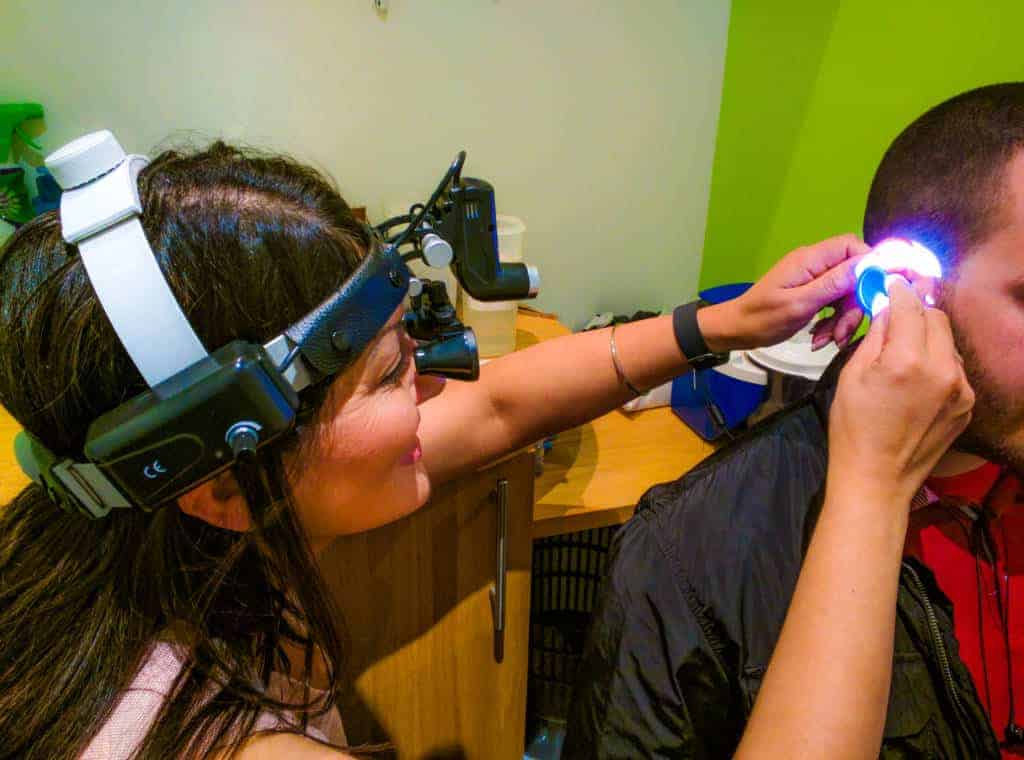
We will be running a training day for one of our part-qualified trainees this coming Wednesday 4th October 2017 at our Ealing clinic. She has completed her microsuction training and simply needs to perform the required number of microsuction procedures under the supervision of a UKAS IQIPS accredited microsuction trainer.
Welcome to our Microsuction Ealing website. If you are looking for the best ear microsuction clinic in Ealing or West Ealing, you have found what you are looking for here. The majority of people find that earwax microsuction treatment is completely painless and is much more comfortable than ear syringing or irrigation.
As a big thank you to our volunteers, we are offering 40% off our standard microsuction prices when booked online, so instead of £70 for two ears, it will be £42 for two ears.
So your mind is put at rest, your safety is our top priority at all times. You ear wax removal procedure will be supervised at all times by an accredited microsuction trainer and assessor, and if our trainee is unable to complete the procedure, then our trainer will assess whether the procedure can be safely completed and then finish removing the ear wax as long as it is safe to do so.
We ask that our volunteers fulfill the following criteria:
- You have confirmed ear wax blockage in at least one ear
- You have no previous or current history of eardrum perforation, dizziness, ear infection or pain
- You will apply two squirts of Earol twice a day to each blocked ear for at least 1 day prior to the appointment
Our West London micro suction clinic is a few minutes walk from West Ealing station in W13 and is also quite close to Ealing Broadway in W5.
Microsuction Volunteer Discount Prices
[global_variable variable_name=”TRAINEEPRICES”]
How To Book A Microsuction Volunteer Ealing Appointment
As soon as you are ready to book your micro suction appointment, click on the Book Now button, or follow the link to the booking page, where you can book your appointment at our Ealing microsuction clinic. The process is very simple:
- First, create a free account and provide your contact details so that we can send you confirmation of your appointment.
- Then choose our Ealing location, and click Ear Wax Removal
- Next choose Microsuction (Volunteer Discount).
- Choose “Any Staff Member” or “Trainee Microsuctionist”
- Now pick 4th October as the date, then a time and then confirm.
- At this point it will take you through the payment process, after which your appointment details will be confirmed to you by email and text message.
To book your ear wax suction appointment online click the button below, or head to the booking page here.

It’s heartening to see initiatives like this that not only support the training of aspiring professionals in the healthcare field but also make the service more accessible to the community. The significance of maintaining ear health often flies under the radar, yet earwax microsuction is an essential procedure that many people could benefit from, particularly those who have experienced discomfort with traditional methods like ear syringing or irrigation.
You bring up a crucial point about the often-overlooked importance of ear health. Many people don’t realize that earwax microsuction isn’t just a minor comfort—it can significantly enhance quality of life. For those who’ve struggled with discomfort from traditional methods like ear syringing, microsuction offers a more precise and gentle alternative.
This initiative to involve volunteers for microsuction training is an excellent example of how community engagement in healthcare can benefit everyone involved. Not only does it provide a valuable learning experience for trainees, but it also demonstrates an effective way to keep treatment costs accessible. I’ve had microsuction before, and the experience was surprisingly soothing compared to traditional methods—it’s fascinating to see how advancements in ear care are making treatments more comfortable and efficient.
Your observations about the microsuction training initiative truly resonate. It underscores how essential community engagement can be in creating healthcare solutions that serve both patients and those seeking to enhance their skills. Many traditionally established methods often leave patients feeling uneasy or discomforted, so I think it’s important to highlight how advancements like microsuction not only aim for efficiency but also prioritize patient comfort, which is often overlooked in discussions about medical procedures.
It’s really encouraging to hear your thoughts on this initiative. Engaging volunteers in microsuction training is not only about learning; it’s about fostering a deeper connection within the community around healthcare services. When people are involved in their own care or the care of others, it often leads to better outcomes all around.
What an interesting opportunity! Who knew you could get a mini spa day for your ears? I’ve always been a bit skeptical of earwax removal techniques—between the horror stories and the occasional waterlogged ear, it’s a bit of a minefield. But your offer sounds like a win-win: helping a trainee while saving some cash.
You make a great point about the skepticism around earwax removal techniques. It’s so easy to get caught up in the horror stories or some of the wild methods that pop up online. I get it—people can have some pretty gnarly experiences. The waterlogged ear concern is real, and who wants to deal with that? My personal take is that, like anything health-related, finding a qualified professional makes all the difference. A training setting like the one I mentioned can actually be a good middle ground. The trainees are supervised and are usually eager to get it right, plus they’re learning best practices, which you wouldn’t get if you went for a DIY method at home.
You make such a valid point about the need for a qualified professional in these situations. It’s easy to be swayed by all the crazy remedies and horror stories floating around online. I think there’s something to be said about the mix of anxiety and curiosity that drives people to try DIY methods, especially when it seems like everyone has a “quick fix” they swear by.
You really captured that feeling of anxiety and curiosity perfectly. It’s fascinating how the internet has created this double-edged sword when it comes to information. On one hand, you have a vast resource of knowledge at your fingertips, but on the other, it can be overwhelming with so many voices claiming to have the answer.
You’ve hit on such an interesting point. The internet really is a double-edged sword. It’s kind of amazing that we can access so much information instantly, yet that same abundance can make it hard to sift through what’s actually reliable or relevant. It can feel like everyone has a different answer, which just adds to that anxiety.
You raise an interesting point about the training environment for earwax removal. It does seem like a solid compromise between the concerns of DIY methods and the expertise of seasoned professionals. I’ve seen so many horror stories online about people trying to tackle wax buildup on their own—it’s almost like a cautionary tale at this point.
You make a really valid observation about the complexities surrounding earwax removal. It’s true that navigating the DIY approach can feel like walking a tightrope, especially with all the horror stories out there. Many people don’t realize that earwax, while often seen as a nuisance, actually serves important functions like protecting the ear canal and keeping it lubricated.
You bring up a compelling point about the training environment for earwax removal. It’s interesting how that space can bridge the gap between DIY attempts and professional care. Those horror stories often stem from a lack of understanding of the ear’s anatomy and the potential risks involved with improper techniques.
It’s true, the idea of a mini spa day for your ears is pretty intriguing, right? I can understand your skepticism about earwax removal techniques, especially with all the horror stories floating around. It’s definitely a sensitive area, and not everyone knows the right way to take care of their ears.
I appreciate your thoughts on this. The concept of a mini spa day for our ears catches attention for a reason—it’s about self-care in an area of our health that often gets overlooked. We prioritize so many aspects of wellness but frequently forget about our ear health.
You raise a really good point about the whole earwax situation. It’s one of those topics that doesn’t get as much attention as it should, especially considering how many myths surround it. Many people think that all earwax is bad and needs to be removed at all costs, but that’s not quite the case. In reality, earwax plays a protective role for our ears. It helps trap dirt and bacteria, preventing them from reaching the inner ear. So, often, our ears know what they’re doing when they produce it.
This is such a fantastic initiative! Volunteering for microsuction training not only helps the trainee gain valuable experience but also provides a great opportunity for those in need of earwax removal at a reduced cost. I recently had a similar experience where I helped at a clinic and found it really eye-opening to see how much ease and comfort modern treatments like microsuction can offer compared to traditional methods. It’s interesting how awareness about procedures like this has grown—many people don’t realize how painless it can be! I’m curious, do you find that most volunteers come back for additional sessions after experiencing the benefits? It would be great to hear more about the long-term benefits for both the trainees and the volunteers!
It’s so nice to hear about your experience at the clinic. I totally agree with you about how transformative microsuction can be—seeing how it alleviates discomfort for patients is really rewarding. It’s fascinating that so many people still associate earwax removal with more invasive methods, and spreading awareness about microsuction’s effectiveness could really change perspectives.
It’s great to hear about your experience with volunteering and the insights you’ve gained—there’s an interesting opportunity highlighted in a recent article that dives into a microsuction training event for customers, which really reflects the benefits you mentioned for both trainees and those in need.
‘Ealing Microsuction Training Event Exclusive For Our Customers’
https://www.earwaxremoval.net/ealing-microsuction-training-event-exclusive/.
I completely resonate with your enthusiasm about the transformative power of microsuction. It’s remarkable to see how a relatively simple procedure can bring such relief to patients. I’ve noticed that many people are still tied to the old perceptions of earwax removal, often thinking it requires painful or invasive measures. It’s a bit of a challenge to change that mindset, but conversations like this are a great start.
I appreciate your thoughts on the transformative nature of microsuction. It’s true; it can really be a game-changer for so many people who have endured unnecessary discomfort from more invasive methods of earwax removal. I’ve seen firsthand how much relief it brings to patients, and it’s almost like a light bulb goes off for them. It’s surprising how many folks still cling to those older methods, thinking they’re the only options available. It makes it all the more important for us to spread the word about microsuction and its benefits.
It’s nice to see someone vibing with the microsuction perspective; it really is like magic, right? You go from feeling like you’ve got a small orchestra playing in your ears to experiencing blissful silence. It’s a bit like going from an off-key karaoke night to a concert featuring your favorite band.
I completely relate to that feeling—there’s something so profound about experiencing sound in a fresh way. It’s like you’ve been living in a muffled world and suddenly everything snaps into focus. I remember the first time I had a similar experience with headphones that had noise-cancellation technology. It felt almost eerie at first, how suddenly everything around me quieted down, but then came the clarity of my favorite songs—or even just the subtleties of the environment, like the rustle of leaves.
That’s such a beautiful way to describe it. I think that feeling of clarity you mentioned can be so transformative. It almost reminds me of the way certain sounds can evoke memories or feelings that are locked away until something brings them back to life. I had a similar experience when I first got a high-quality speaker setup. I started hearing intricate layers in songs I had listened to for years, almost like rediscovering an old friend.
You bring up such a great point about the connection between sound and memory. It’s fascinating how a certain note or a familiar chord can unlock feelings we didn’t even realize were tucked away. Music has this incredible power to create these vivid snapshots of our lives. It’s almost like each song is a time capsule holding different memories and emotions.
You hit the nail on the head with that one! It’s wild how much old-school thinking still lingers around earwax removal. It’s like people keep envisioning a medieval torture chamber instead of a cozy clinic with friendly faces and microsuction in play.
I appreciate your take on this! It’s kind of amusing how the mindset around earwax removal hasn’t quite caught up with modern practices. You really do picture a scene more befitting a horror film instead of a straightforward, caring experience.
You’re spot on about the transformative power of microsuction. It’s really amazing to see how a simple procedure can make such a huge difference in someone’s day-to-day life. The old-school methods can be pretty intimidating, and it’s a shame that people still hang onto those associations when microsuction is such a game changer.
I completely agree with you on the transformative power of microsuction. It’s remarkable how something that feels so simple can drastically improve someone’s quality of life. I remember hearing stories from people who had struggled with hearing issues for years due to earwax buildup, and the relief they felt after a microsuction session was palpable. It’s fascinating how evolving medical technology can shift our perceptions and experiences around these common procedures.
You’re right, the difference that microsuction can make is quite profound. It really changes how people experience their environment, especially when they’ve dealt with discomfort or hearing issues for a long time.
It’s great to hear about your experience at the clinic. Seeing the impact of modern treatments firsthand really does shift your perspective, doesn’t it? Many volunteers who jump in for microsuction training often find it to be so rewarding that they do come back for more sessions. They not only gain practical skills but also build a strong connection with the community, which adds depth to their training.
You bring up some great points about the benefits of volunteering in microsuction training. It’s fascinating to see how much the landscape of ear care has evolved. I think you’re right—the more people learn about procedures like microsuction, the more they realize how approachable and effective they can be. The perception of earwax removal being a painful or daunting experience is certainly changing, thanks to modern techniques and training initiatives.
It’s encouraging to hear your thoughts on the evolution of ear care, particularly in relation to microsuction training. The shift in perception around procedures traditionally viewed as uncomfortable is something I’ve found really interesting too. It’s true that many people still hold on to the notion of earwax removal being a painful or unpleasant experience, and that’s largely due to how it’s been portrayed over the years.
You’ve touched on some great points regarding the unique benefits of volunteering in the microsuction training program. It really is fascinating how modern methods can turn what once seemed like a daunting procedure into something so manageable and comfortable. Hearing your experiences from the clinic adds a real-world dimension to the conversation—it’s eye-opening for many.
You’ve hit the nail on the head with your thoughts on microsuction training! It’s a win-win for everyone involved—trainees get hands-on experience, and the patients leave with clearer ears and a lighter wallet. I think the word “eye-opening” really sums up the whole experience. You’d be surprised how many folks picture cotton swabs and ancient wax-pulling methods in their heads, when in reality, microsuction is like the spa day your ears never knew they needed.
It’s fantastic to see initiatives like the microsuction training day in Ealing, and it’s even more commendable that you’re seeking volunteers to assist in the educational process for your trainees. I genuinely believe that hands-on experience is crucial in healthcare settings, particularly in specialized fields like ear care. It’s not only pivotal for the trainees’ education, but it also fosters a sense of community and collaboration between practitioners and the public.
It’s encouraging to hear you appreciate the microsuction training day in Ealing. The hands-on experience really does play a vital role in the development of healthcare professionals, especially in specialized areas like ear care. The educational journey isn’t just about absorbing theory; it’s about applying that knowledge in real-world scenarios.
This is such a great initiative! It’s interesting to see how clinical training can directly involve the community, and offering a discount for volunteers is a clever way to encourage participation. I’ve had microsuction before, and I found it much more pleasant compared to ear syringing. It’s fascinating how medical techniques like this have evolved to be more patient-friendly.
It’s great to hear that you had a positive experience with microsuction. It really does seem to be a more comfortable option compared to ear syringing, which can often be a bit messy and uncomfortable. I think it’s remarkable how medical practices are evolving to focus more on patient comfort and less invasive techniques.
It’s interesting how something as seemingly routine as ear care can spark such a discussion about comfort and technique. Many people often don’t consider how innovations in medical practices can really change the day-to-day experiences of patients. Your observation about microsuction being a cleaner and more comfortable option resonates with what I’ve heard from others as well.
You bring up a great point about ear care and how innovations can shift our everyday experiences. It’s easy to overlook the impact of advances like microsuction until you hear from someone who has had a positive experience. The way we approach something as common as ear cleaning can really reflect broader changes in medical practices.
It’s great to hear that you had a positive experience with microsuction. It really does seem like a more comfortable option compared to ear syringing. I’ve read that techniques in ear care have advanced quite a bit over the years, and it’s nice to see how patient comfort is being prioritized.
I came across this insightful event that combines clinical training with community involvement, and it seems like a great way to learn more about the patient-friendly microsuction technique we’ve discussed.
‘Ealing Microsuction Training Event Exclusive For Our Customers’
https://www.earwaxremoval.net/ealing-microsuction-training-event-exclusive/.
I appreciate the opportunity presented in this post for those interested in volunteer work during the microsuction training day. However, it raises certain considerations regarding the nature of medical training and the ethics surrounding volunteer experiences.
It’s fantastic to see such initiatives taking place in Ealing! Offering a training day for part-qualified trainees not only supports their professional growth but also emphasizes the commitment to safe and effective ear care practices. It’s impressive how training programs like this help budding practitioners gain the hands-on experience they need under the supervision of experts.
It’s great to hear you share that perspective! Ealing is really embracing the idea of hands-on training, and you hit the nail on the head about the importance of mentorship in developing skills. The reality is that while classroom learning provides a solid foundation, those real-world experiences supervised by experts can make all the difference.
It’s great to hear your thoughts on the initiative in Ealing! Training days like this really create a bridge between classroom learning and real-world application. The hands-on experience makes such a difference for trainees, especially when they can learn from seasoned professionals who can share their insights and techniques. It’s refreshing to see a focus not just on the technical skills, but also on fostering a safe and supportive environment for both the practitioners and their future patients. These partnerships strengthen community care and enhance the overall quality of ear care in the area, which is what we all want to see. What specific skills or areas do you think are most beneficial for trainees to focus on during these types of experiences?
You’ve captured the essence of these training days perfectly. Learning in a hands-on environment really does offer a unique perspective that can’t be matched in a classroom. For trainees, honing skills like active listening and empathy is vital. These aren’t just technical skills but the core of effective communication with patients.
It’s great to hear your thoughts on this initiative. The training day really does focus on creating a solid foundation for those just starting out, helping them understand the nuances of ear care. It’s also fascinating to see how these hands-on experiences in a supervised environment can bridge the gap between theory and practice. Plus, having seasoned practitioners share their insights fosters a collaborative learning atmosphere, which is valuable for both the trainees and the mentors. I’m curious to know if you’ve seen similar initiatives in other areas that have made a noticeable impact on local practices.
You’ve hit on something really important about the initiative. The way it emphasizes practical experience can make a world of difference for newcomers. I’ve seen firsthand how those moments in a controlled setting help build confidence as they navigate ear care’s complexities. It’s rewarding when trainees can apply what they’ve learned in real-time, and having seasoned practitioners around creates a rich environment where questions can flourish.
It’s truly commendable to see initiatives like the microsuction training day being offered in Ealing. The fact that it supports the professional development of part-qualified trainees while also giving back to the community through discounted treatments is a win-win situation. I remember my first experience with earwax removal; I was surprisingly anxious about it, especially with the traditional methods like syringing that can sometimes feel invasive or uncomfortable. The transition to microsuction seems to provide a much more pleasant alternative, and it’s encouraging to read that many find it painless.
It’s interesting to hear about your experience with earwax removal and the anxiety that often comes with it. Many share that same feeling, particularly when recalling traditional methods like syringing, which, let’s be honest, can feel a bit daunting. The shift towards microsuction seems to be easing a lot of those worries.
It’s great to hear about your experiences with earwax removal. I can relate to the anxiety that comes with such procedures—it’s amazing how much the anticipation can heighten our discomfort. The shift from traditional methods like syringing to microsuction really does seem to make a difference in how people perceive the process.
It’s interesting how our minds can amplify anxiety, isn’t it? The thought of any medical procedure, no matter how routine, can really get the heart racing. I remember my own experience waiting for earwax removal—it seemed like the anticipation was almost worse than the actual procedure.
Your reflection on the microsuction training day and your own experience with earwax removal resonates with many of us who’ve felt that pang of anxiety before a procedure. It’s interesting how experiences like yours shape our perceptions of healthcare practices. With traditional methods like syringing, the thought of a water-filled syringe can indeed be quite daunting, and I can understand why it might feel invasive.
This is such an interesting initiative! The emphasis on hands-on training for microsuction not only benefits the trainees but ensures that patients receive high-quality care from well-supervised professionals. I remember when I first experienced microsuction; it was refreshing to finally find a method that was comfortable and effective compared to the traditional ear syringing I had dreaded before.
It’s great to hear your positive experience with microsuction. The shift away from traditional ear syringing really highlights how far we’ve come in terms of patient comfort and care. For many, ear cleaning has historically been a dreaded experience, so it’s refreshing to see techniques that prioritize both effectiveness and comfort.
You bring up an interesting point about the evolution of ear cleaning techniques. Microsuction has really changed the landscape, hasn’t it? The gentle suction method allows for targeted removal of earwax without the discomfort often associated with syringing. It’s a game-changer for many people who previously dreaded trips to the clinic.
It’s refreshing to see initiatives like the voluntary microsuction training day in Ealing. Skills training in healthcare not only provides valuable hands-on experience for trainees but also promotes community involvement. As someone who has undergone earwax microsuction, I can attest to how much more comfortable it is compared to traditional methods like syringing. The pain-free aspect is a game changer, particularly for those who might be apprehensive about ear care.
It’s great to hear your perspective on the microsuction training day in Ealing. The shift towards more comfortable procedures like microsuction really does make a significant difference in how people feel about ear care. Your experience highlights an important point: comfort levels can truly change the whole dynamic of seeking treatment.
It’s great to hear about your positive experience with earwax microsuction. Your perspective really highlights a crucial point: when it comes to healthcare, comfort and ease can often make a significant difference in patient outcomes. The shift from traditional methods like syringing to more modern, less invasive techniques like microsuction not only alleviates discomfort but also encourages people to seek help when they need it.
It’s exciting to see such a proactive approach to training within the microsuction field, especially with the focus on volunteer involvement. Training days like this are crucial, not just for the trainees, but also for the wider community that relies on these services.
I find it intriguing that there’s an emphasis on volunteer training for microsuction, as it speaks to the growing recognition of non-invasive procedures in ear care. The shift from traditional ear syringing to microsuction is quite significant, not just in terms of patient comfort, but also in how we perceive ear health overall.
It’s interesting you brought up the significance of this shift in ear care. The move towards microsuction certainly reflects a broader trend in medicine where less invasive techniques are not just becoming popular but expected. It really does change the narrative around patient comfort; people are increasingly looking for options that spare them the discomfort often associated with ear syringing.
It’s true, the emphasis on volunteer training for microsuction really highlights how much we’re evolving in ear care. The transition from traditional ear syringing to microsuction feels like a significant step towards prioritizing patient comfort, as you mentioned. I remember hearing how some people would dread the syringing process, not just because of potential discomfort, but also the anxiety that can come with it.
It’s interesting to see how our understanding of ear care is evolving, and this training event emphasizes the shift towards more comfortable, non-invasive methods like microsuction.
‘Ealing Microsuction Training Event Exclusive For Our Customers’
https://www.earwaxremoval.net/ealing-microsuction-training-event-exclusive/.
You bring up a really important point about the anxiety surrounding traditional ear syringing. It’s fascinating how something as simple as our understanding of ear care can transform the patient experience. The discomfort associated with syringing often overshadowed the necessity of the procedure, making it a dread for many. Microsuction is definitely a game-changer in that regard.
You bring up an important point about the movement towards non-invasive procedures in ear care. The emphasis on volunteer training for microsuction really reflects that shift and highlights how the healthcare landscape is evolving to prioritize patient comfort.
You raise a valid point about the shift towards non-invasive procedures in ear care and the role that volunteer training for microsuction plays in this evolution. What’s often overlooked is the potential disparity in access and the quality of care that can stem from this approach. While prioritizing patient comfort is crucial, it’s essential to ensure that all practitioners, even volunteers, are adequately trained to prevent complications. The balance between expanding access to care and maintaining high standards is a tricky one, and it can be challenging to ensure that the patient experience isn’t compromised in the name of convenience. Conversations around how we can elevate training and maintain quality while embracing these non-invasive techniques are vital as we continue down this path. What do you think about setting standardized training protocols for volunteers?
I appreciate you highlighting the movement towards non-invasive procedures in ear care. It’s fascinating to see how the focus on volunteer training for microsuction is reshaping the way we address ear health. With traditional methods often leading to discomfort, this shift speaks volumes about how patient experience is being prioritized.
It’s really an interesting time in the field of ear care, isn’t it? I share your fascination with how the movement towards non-invasive procedures like microsuction is changing the landscape. It feels like there’s a greater awareness now about the importance of patient comfort and overall experience.
I found this insightful piece on a recent microsuction training event that really underscores the shift towards more patient-friendly ear care practices.
‘Ealing Microsuction Training Event Exclusive For Our Customers’
https://www.earwaxremoval.net/ealing-microsuction-training-event-exclusive/.
You’ve touched on a crucial aspect of ear care that often goes unnoticed: the patient experience. The push for non-invasive procedures has really changed how we think about ear health. With microsuction, the focus is on making the process more comfortable and efficient for patients.
It’s inspiring to see initiatives like the microsuction training day in Ealing aimed at supporting both trainees and the community in such a direct and meaningful way. The combination of professional development for the trainee while providing an essential service to volunteers truly exemplifies a symbiotic relationship that benefits everyone involved.
It’s heartening to hear your thoughts on the microsuction training day in Ealing. The idea of blending professional growth for trainees with a heartfelt service to the community truly resonates. When you think about it, training doesn’t just enhance skills; it fosters a sense of purpose and connectivity.
You’ve captured such an important aspect of the training day perfectly. It’s easy to think of professional development in isolation, focusing solely on skills and knowledge. Yet, it really is about much more—creating a meaningful connection within the community and finding a deeper purpose in our work.
It’s really cool to see hands-on training being offered like this! I’ve always found it intriguing how the methods for earwax removal have evolved over time—microsuction feels so much more modern compared to traditional syringing. I appreciate that it’s more comfortable as well; I remember my first experience with the old method was quite nerve-wracking.
It’s fascinating to see how we’ve moved away from traditional methods like syringing to techniques like microsuction. That shift has certainly changed the way we approach ear care. It’s interesting to note how earwax removal has not only evolved in terms of technique but also in our understanding of ear health overall. The old syringing method could be pretty intimidating, right? I hear that a lot from people who’ve gone through it. There’s something about the sound and sensation that really puts you on edge, especially for someone experiencing it for the first time.
It’s great to hear your thoughts on this. The evolution of earwax removal techniques is an interesting topic, especially how comfort and safety have become priorities in modern practices.
You’re spot on about the growing emphasis on comfort and safety in earwax removal techniques. It’s really fascinating to see how far we’ve come from some of the more drastic methods people used in the past. I remember reading about how folks would use everything from cotton swabs to even bobby pins, not realizing they were potentially doing more harm than good.
It’s fascinating to see how the field of ear health is evolving, particularly with the practical training opportunities being offered for microsuction procedures. The emphasis on providing a hands-on learning experience under the supervision of a qualified specialist not only ensures quality care for the patients but also supports the development of practitioners in this area. I’m particularly intrigued by how this training model can enhance the overall competency of healthcare providers, ensuring that patients receive not only effective treatments but also a deeper understanding of their ear health.
It’s great to hear your thoughts on the evolving landscape of ear health training. The hands-on experience you mentioned really does bridge the gap between theory and practice. By learning microsuction techniques under supervision, practitioners aren’t just gaining skills; they’re also fostering a more profound understanding of patient needs and the nuances of ear health.
Ah, the noble art of earwax extraction—a topic that seems to simultaneously spark intrigue and make people squirm a little! I must say, when I stumbled upon your post, I chuckled slightly at the thought of a “Microsuction Training Day” like it were a masterclass in gourmet cooking or fine wine tasting. I mean, who would’ve ever guessed that the world of ear care could become so chic? Personally, my ears have been through a historic rollercoaster of DIY ear cleaning mishaps—from cotton swabs to a rogue bobby pin that will haunt my ears until the end of time.
You’ve hit the nail on the head with that thought about earwax extraction being a touchy subject. It’s like the hidden gem of home care—everybody has an opinion, but no one really wants to talk about it at dinner parties. The “Microsuction Training Day” does sound more like the plot of a quirky indie film than something that happens in real life. I imagine it: a group of earnest participants, all standing around awkwardly, trying to wield suction devices like they’re about to take on a delicate soufflé rather than a stubborn blockage.
The initiative of offering microsuction training while seeking volunteers truly exemplifies a commendable approach to skill development within the healthcare sector. It’s fascinating to observe how the training of medical staff can effectively involve community participation, benefiting both the trainee and the volunteers. This collaboration underscores a broader trend in healthcare, where practical hands-on experience is increasingly recognized as vital to the education of practitioners.
You’ve touched on an important point about skill development in healthcare, particularly with initiatives that combine training with community involvement. The idea of offering microsuction training while seeking volunteers goes beyond just teaching a specific technique; it builds a bridge between medical professionals and the communities they serve.
It’s interesting to see how the perception of earwax removal has evolved over time. I remember when I first heard about microsuction; I was a bit skeptical given how common syringing has been. But after experiencing it myself, I appreciated how much gentler and more effective it is. Offering a discount for volunteers is such a generous way to help those in training get the experience they need while also making treatment accessible. I wonder how many people are aware of these benefits versus traditional methods! Have you thought about making an educational component to raise awareness in the community? It seems like there’s a lot of opportunity to engage more folks in the conversation around ear health.
It’s really interesting to see a training day like this being organized for microsuction procedures. I think it’s fantastic that you’re offering a discounted rate for volunteers, as it not only supports the trainees but gives patients an opportunity to experience a service that can significantly improve their comfort, especially for those who have had less favorable experiences with ear syringing.
It’s wonderful to see initiatives like this one being organized, particularly in the realm of health and wellness. Microsuction is a relatively modern approach to earwax removal, and the fact that you’re actively involving volunteers in a training day demonstrates both a commitment to quality and a community-oriented approach. As someone who has experienced the discomfort of traditional ear syringing, I can attest to the growing preference for the more gentle microsuction method.
It’s really interesting to see how clinics are adapting to meet both educational needs and community service through initiatives like this training day. Microsuction has gained a lot of recognition as a safer, more comfortable alternative to traditional earwax removal methods. I remember having a friend who was quite apprehensive about getting their ears cleaned and found the microsuction experience to be a game-changer.
It’s great to hear about your friend’s positive experience with microsuction. Many people share that initial apprehension about ear cleaning, especially when they’ve only known traditional methods. What makes microsuction stand out is not just its effectiveness but also how it’s perceived as more comfortable and less invasive.
It’s great to see initiatives like this that not only provide valuable training for new practitioners but also encourage community involvement. Microsuction is indeed a preferred method for earwax removal for many, given its efficiency and comfort compared to traditional irrigation methods.
You’ve touched on a really important aspect of this initiative—the emphasis on community engagement. It’s fascinating how training programs not only prepare new practitioners but also foster a sense of connection among everyone involved. The way people come together around something like ear health can create bonds that go beyond just clinical practice.
You’ve hit the nail on the head with that. Microsuction really is like the VIP treatment for earwax—it’s efficient, comfortable, and let’s be honest, pretty fascinating to watch if you’re into that kind of thing (no judgment here). You just can’t beat the satisfaction of seeing the ‘before and after’ in real time.
It’s truly heartening to see initiatives like the microsuction training day being organized, as it not only provides essential training for aspiring professionals but also offers a valuable service to the community. The emphasis on microsuction over traditional ear syringing reflects an evolving understanding in healthcare regarding patient comfort and efficacy. I’ve personally experienced both approaches, and I can’t help but appreciate how much less intimidating microsuction is—there’s something quite calming about the technology-driven, precision aspect of it.
It’s refreshing to hear your take on the microsuction training day and its significance in bridging the gap between training and community service. Many people overlook the nuances of different ear care methods, but your perspective sheds light on how important it is for both professionals and patients to understand the options available.
This is a fantastic opportunity for those interested in microsuction! I remember my first experience with it; I was a bit nervous, but it turned out to be quick and surprisingly comfortable. It’s great that the clinic is offering a discount for volunteers—such a smart way to support both the trainee and those in need of relief from earwax.
This is a fantastic opportunity for those in the area! It’s interesting how many people are still unaware of microsuction as a more effective and comfortable alternative to ear syringing. I remember when a friend finally tried it—she was amazed at how quick and painless the procedure was compared to her previous experiences.
It’s great to hear your thoughts! You’re right—microsuction really does change the game when it comes to ear care. Many people are surprised to learn that this method exists, especially after having dealt with the traditional syringing method. It’s encouraging to see more awareness spreading.
The initiative to offer a training day for your part-qualified trainee demonstrates a commendable commitment to both professional development and community engagement. It’s fascinating to see how hands-on training can enhance the skills of health practitioners while simultaneously providing accessibility for individuals seeking essential ear care services like microsuction.
It’s intriguing to see how hands-on training for procedures like microsuction is structured, especially with the emphasis on supervised practice. I recently read about similar initiatives in other medical fields, where training is vital for ensuring both competency and patient safety. The offer of a discount for volunteers not only encourages participation but also allows people to experience the benefits of microsuction in a very personal way. Having undergone earwax issues myself, I can attest that the comfort and effectiveness of microsuction truly surpasses traditional methods.
I appreciate your thoughts on hands-on training for microsuction—it’s a pretty fascinating area. When I first learned about the structured program for training, I was surprised at how much emphasis there is on supervised practice. Medical training can be intense, and having that hands-on aspect really helps build confidence while ensuring patients are in safe hands.
It’s great to see an opportunity for volunteer training in microsuction – a win-win for everyone! I remember when I first heard about microsuction; I thought it sounded like some high-tech sci-fi procedure. But the idea of being a volunteer and getting a discount for my troubles? Sign me up! Who wouldn’t want a little less earwax for the price of a coffee? Plus, nothing says “adventure” quite like letting someone get up close and personal with your ear canal. Might come out of it with some great stories – or at least a fun way to impress friends at parties. Has anyone else here taken the plunge with microsuction? Would love to hear your experiences!
It’s interesting how something as routine as earwax removal can spark such excitement. You’re right—the idea that microsuction sounds like a futuristic procedure does catch attention. There’s a blend of intrigue and practicality here that can be hard to resist. When you think about it, there’s a certain adventurous spirit in being open to new experiences, especially one that promises not just clarity of hearing but a bit of personal engagement too.
This initiative sounds like a fantastic opportunity for both the trainees and the volunteers! I’ve always been curious about microsuction as a method of earwax removal. It seems like a modern and more comfortable alternative to traditional methods, and I’ve heard many people rave about their experiences.
I find it incredibly exciting that you’re hosting a training day for microsuction procedures at your Ealing clinic. The aspect of providing supervised training not only serves the trainee’s needs but also creates a win-win scenario for volunteers who may benefit from a high-quality earwax removal service at a reduced price.
I’m glad to hear you’re excited about the training day! It really does feel great to combine learning with a chance to help the community. The idea of offering a high-quality earwax removal service at a reduced price is something we thought about carefully. It’s important for us to create an environment where trainees can gain hands-on experience without the pressure that often comes with a regular clinic setting.
It’s really interesting to see clinics like yours giving trainees the chance to gain hands-on experience, especially in a field as sensitive as ear care. I remember my first experience with microsuction—it was so much more comfortable compared to the old-school syringing method. Honestly, I didn’t even know earwax removal could be so painless!
I’m glad you found the information about hands-on training in clinics interesting. It’s so important for trainees to get that practical experience, especially in a field that can feel so personal and sensitive. Many patients are surprised by how effective and gentle microsuction is compared to traditional methods. It really changes the conversation around ear care, doesn’t it?
It’s intriguing to see the emphasis on practical training for aspiring microsuction practitioners. The hands-on experience provided through volunteer opportunities not only helps the trainee refine their skills but also raises awareness about the benefits of microsuction over traditional methods like ear syringing.
You’ve touched on a significant point regarding the value of hands-on experience in training for microsuction practitioners. It’s fascinating how practical sessions, especially in volunteer settings, can transform theoretical knowledge into real-world skills.
It’s great to see initiatives like this that not only provide practical training for aspiring practitioners but also offer the community an affordable option for ear care. I remember my first experience with microsuction; I was surprised at how much more comfortable it was compared to traditional ear syringing. It’s interesting how technology and training can enhance such a straightforward procedure. I’m curious, how do you ensure that volunteers feel at ease during the treatment? It’s so important for them to have a positive experience, especially for those who might be apprehensive about ear procedures. Looking forward to hearing more about this training day!
It sounds like a fantastic initiative! I must admit, I had no idea a simple earwax removal session could become a training opportunity. Maybe I should volunteer to be a patient just for the thrill of it (and the discount, of course!). As someone who has spent far too many years avoiding the dreaded ear syringing, I’ve always been a bit skeptical about trying microsuction. But the thought of being a part of a trainee’s journey while also getting my ears cleaned sounds like a win-win situation!
It’s interesting how something as simple as earwax removal can turn into a training experience, isn’t it? I get where you’re coming from, though—ear syringing has this reputation that can be pretty off-putting. I think many people feel the same skepticism toward microsuction, but it has gained a lot of traction recently as a more comfortable and effective option compared to traditional methods.
It’s encouraging to see initiatives that not only support trainees in gaining experience but also give back to the community through discounted services. I’ve often found that volunteering for medical training days can be a win-win—trainees gain essential practice, and volunteers often walk away with valuable insights about their health.
It’s encouraging to see events like this training day for microsuction, especially considering how important proper ear care is for overall health. I remember my first experience with microsuction; I was surprised at how comfortable and effective it was compared to traditional methods like ear syringing. It’s fascinating how advancements in technology have made such procedures not just more efficient but also more patient-friendly.
It’s great to hear about your positive experience with microsuction. A lot of people are surprised by how much more comfortable it can be compared to ear syringing. The shift to microsuction reflects a broader trend in healthcare toward procedures that prioritize patient comfort and safety, which is crucial for something as sensitive as ear care.
I think it’s fantastic that you’re organizing a microsuction training day and offering people the chance to participate as volunteers! It’s always exciting to see practical training initiatives, especially in a field like ear care, where the impact on someone’s comfort and quality of life can be so significant.
I really appreciate that perspective. Organizing a microsuction training day feels like a wonderful way to bridge theory and practice, especially in a field where practical skills can truly make a difference in people’s daily lives. Ear care often falls under the radar compared to other areas of health, but the relief that comes from proper ear hygiene can be life-changing.
It’s fantastic to see initiatives like this training day for microsuction! I think it really highlights the importance of hands-on experience in healthcare training. As someone who has had their fair share of earwax removal treatments, I can attest to how much less intimidating microsuction is compared to traditional syringing. I remember my first experience with it; I was pleasantly surprised at how painless and quick it was.
It’s impressive to see opportunities like this training day for microsuction in Ealing. The commitment to ensuring that trainees gain the necessary hands-on experience under the watchful eye of a qualified trainer not only helps them develop their skills but ultimately benefits the community by providing such a valuable service.
This training day sounds like a fantastic opportunity, both for the trainee and the volunteers! It’s wonderful to see clinics actively engaging with the community in such a hands-on and practical way. I can personally attest to the benefits of microsuction – I had my own experience recently, and it was remarkably quick and comfortable compared to traditional methods.
It’s really interesting to see how you’re incorporating community involvement into the training process for your trainees. I think it’s a brilliant way to not only help them gain valuable experience but also provide an essential service at a discounted rate to those who may need it. Ear health often doesn’t get the attention it deserves, and many people don’t realize how impactful things like earwax buildup can be on their overall well-being.
It’s interesting to see a focus on volunteer involvement in such a specific training opportunity. Microsuction is a relatively new and less invasive method of earwax removal compared to traditional syringing, which raises the question of how training and quality assurance are evolving in this field. Offering a discount is a smart way to incentivize participation, but it also makes me think about the balance between providing affordable access to care and ensuring that trainees receive adequate hands-on experience without compromising patient safety.
This sounds like a fantastic opportunity for those interested in ear health! I remember hearing about the discomfort some people experience with traditional ear syringing, so it’s great to see microsuction being highlighted as a more comfortable option. It’s impressive that you’re offering a discount for volunteers too; it makes it a win-win situation! I’ve always thought there’s something really rewarding about being part of a learning experience like this, not just for the trainee but for the volunteers as well.
This training day sounds like a fantastic opportunity for both the trainee and the volunteers! I remember when I had my own microsuction treatment; the whole experience was surprisingly comfortable, much more so than I had anticipated. It’s interesting how essential services like ear care can sometimes be overlooked, but they play such a crucial role in overall health.
It’s really wonderful to see initiatives like the training day for microsuction in Ealing. Having been a volunteer in a similar capacity in the past, I can attest to the value of hands-on experience, especially in healthcare settings. There’s something incredibly fulfilling about being part of someone’s learning journey, and knowing you’re playing a role in helping improve their skills and confidence.
It’s fantastic to see a training day for microsuction procedures! I remember my own experience with earwax removal—I’d always dreaded syringing, so I can definitely relate to the comfort of microsuction. Offering 40% off for volunteers is such a thoughtful incentive too! It’s a win-win, really; trainees get hands-on experience while the community benefits. I wonder how this technique is viewed compared to other methods in terms of safety and effectiveness. It’s great to see clinics like yours spearheading these innovations. Have you considered incorporating any patient testimonials in the future to highlight the difference this service makes?
This is a wonderful initiative for both the trainee and the volunteers. It’s great to see a practical approach to training in such a sensitive area of healthcare. I remember my first experience with microsuction—it was remarkable how much more comfortable it felt compared to traditional methods. The offer of a discount is also a nice touch, definitely a win-win situation. It’s fascinating how advancements in ear care have shifted toward these less intrusive methods, making healthcare more accessible and patient-friendly. Have other readers had similar experiences with microsuction? I’d love to hear how it compares for everyone.
It’s heartening to hear your thoughts on this initiative. The journey into the world of microsuction really opens up a new chapter in ear care, doesn’t it? Your memories of that first experience resonate with many who may have faced the anxiety and discomfort often associated with more traditional methods. The emphasis on making the process less intrusive not only helps alleviate fears but also contributes to a more positive perception of healthcare.
I appreciate your reflection on microsuction. It really highlights how important it is to prioritize comfort in healthcare. Many people are surprised at how effective and gentle this method can be compared to traditional techniques.
It’s encouraging to see a training day for microsuction happening in Ealing! I think having opportunities like this not only helps trainees gain vital experience but also makes the treatment more accessible for the community. I tried microsuction after struggling with ear syringing, and it truly was a game changer for me—so much less discomfort!
This is such a cool initiative! I remember when I got my earwax microsuction done; it was way less intimidating than I thought it would be. It’s interesting how much people dread the process of ear syringing, which can lead to avoidance of treatment altogether. Offering a discount for volunteers not only helps your trainee complete her training but also encourages more people to prioritize their ear health without the usual cost concerns.
It’s inspiring to see initiatives like the microsuction training day in Ealing that not only benefit trainees but also offer community members the chance to access important health treatments at a reduced cost. Ear health is often overlooked, yet it plays a crucial role in our overall well-being.
It’s interesting to see a post like this, as it highlights the importance of practical training in a field that directly impacts people’s well-being. I remember a friend of mine who was quite apprehensive about the whole earwax removal process. She had gone through the more old-fashioned methods before and found them uncomfortable and a bit scary. When she eventually tried microsuction, she was relieved at how painless and straightforward it was. It’s a game changer for so many, especially for those who dread the thought of syringing or irrigation.
I love that you’re hosting a training day for microsuction procedures! It’s fascinating to see how innovative techniques like microsuction are enhancing patient comfort during earwax removal. I’ve read about the advantages it offers, especially compared to traditional methods that can sometimes be uncomfortable.
Ah, the quest for cleaner ears! It’s interesting how the simple act of ear cleaning could evolve into such a sophisticated procedure. I mean, who knew earwax removal could get this high-tech with microsuction? It’s like we’ve stepped into a future where even our ear hygiene comes with a side of accreditation and procedural finesse. And I can’t help but chuckle at the idea of “volunteering” to be someone’s training dummy — hopefully it comes with a few quirky anecdotes and maybe a “Before and After” Instagram moment that doesn’t involve bright lighting and a filter!
It’s fascinating to see this dedication towards training future microsuction practitioners! I think it’s so important that we normalize conversations around ear care—many people are unsure about the best methods for dealing with earwax buildup. Personally, I’ve had a mixed experience with ear syringing in the past; while it often felt like a hassle, these microsuction sessions seem much less invasive and more comfortable, as you highlighted.
It’s encouraging to see programs that prioritize both training and community engagement, especially in a vital healthcare service like microsuction. As someone who has experienced the discomfort of ear syringing, I appreciate how more modern techniques like microsuction can enhance patient comfort. Offering a discount for volunteers not only helps the trainee gain valuable experience but also makes this service accessible to more people.
It’s exciting to see initiatives like this in Ealing! The opportunity for volunteers to participate in a training day for microsuction is not only beneficial for the trainees but also a fantastic way to spread awareness about the ease and comfort of microsuction compared to traditional earwax removal methods. I remember my first experience with microsuction; I was pleasantly surprised at how quick and painless the whole process was. It really changed my perspective on ear health, and now I often advocate for it among friends and family.
It’s interesting to see how the awareness and acceptance of microsuction as a method for earwax removal has grown in recent years. Personally, I’ve had experiences with both ear syringing and microsuction, and the latter was definitely a more comfortable choice for me. The idea of training day volunteers is a fantastic initiative not just for the part-qualified trainees but also for the community.
It’s intriguing to see the emphasis on training and quality care in your post about the microsuction training day. The structured supervision under a UKAS IQIPS accredited trainer highlights the commitment to safety and efficacy in such procedures, which is reassuring for potential patients.
This initiative for a training day sounds like a fantastic opportunity for both the trainee and the volunteers! I’ve experienced microsuction myself, and I must say, it was a far more pleasant experience than ear syringing. It’s interesting to see how methods for earwax removal have evolved over the years, moving towards less invasive and more comfortable procedures.