
Last Updated on 04/10/2017 by Admin
Volunteers Sought For Microsuction Training Day In Ealing, Weds 4th October 2017
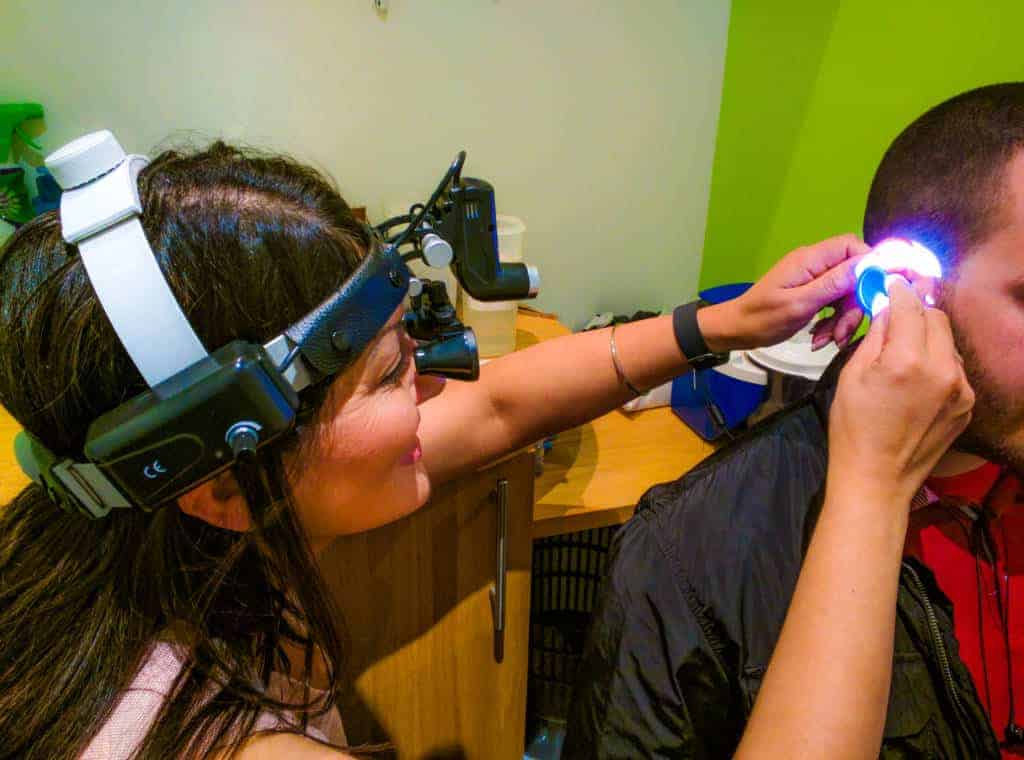
We will be running a training day for one of our part-qualified trainees this coming Wednesday 4th October 2017 at our Ealing clinic. She has completed her microsuction training and simply needs to perform the required number of microsuction procedures under the supervision of a UKAS IQIPS accredited microsuction trainer.
As a big thank you to our existing customers, we are offering 40% off our standard microsuction prices when booked online, so instead of £70 for two ears, it will be £42 for two ears.
So your mind is put at rest, your safety is our top priority at all times. You ear wax removal procedure will be supervised at all times by an accredited microsuction trainer and assessor, and if our trainee is unable to complete the procedure, then our trainer will assess whether the procedure can be safely completed and then finish removing the ear wax as long as it is safe to do so.
We ask that our volunteers fulfill the following criteria:
- You have confirmed ear wax blockage in at least one ear
- You have no previous or current history of eardrum perforation, dizziness, ear infection or pain
- You will apply two squirts of Earol twice a day to each blocked ear for at least 1 day prior to the appointment
Our West London micro suction clinic is a few minutes walk from West Ealing station in W13 and is also quite close to Ealing Broadway in W5.
Microsuction Volunteer Discount Prices
[global_variable variable_name=”TRAINEEPRICES”]
How To Book A Microsuction Volunteer Ealing Appointment
As soon as you are ready to book your micro suction appointment, click on the Book Now button, or follow the link to the booking page, where you can book your appointment at our Ealing microsuction clinic. The process is very simple:
- First, create a free account and provide your contact details so that we can send you confirmation of your appointment.
- Then choose our Ealing location, and click Ear Wax Removal
- Next choose Microsuction (Volunteer Discount).
- Choose “Any Staff Member” or “Trainee Microsuctionist”
- Now pick 4th October as the date, then a time and then confirm.
- At this point it will take you through the payment process, after which your appointment details will be confirmed to you by email and text message.
To book your ear wax suction appointment online click the button below, or head to the booking page here.

This is a fantastic initiative, and it’s great to see that you’re providing a platform for trainees to gain practical experience! Microsuction ear wax removal is such a valuable service, especially for those who may be dealing with discomfort or temporary hearing loss due to blockages.
I appreciate your perspective on the initiative. It’s heartening to hear that you recognize the significance of providing a platform for trainees. Practical experience is such a crucial part of learning, especially in fields that have a direct impact on people’s everyday lives, like healthcare.
It’s good to see you appreciate the initiative. Micron suction ear wax removal isn’t just about cleaning ears; it’s about improving quality of life. Many people don’t realize how much accumulated wax can affect hearing and even balance. By providing practical experience for trainees, we’re not only enhancing their skills but also making this essential service more accessible to those who really need it. It’s rewarding to think that we can help alleviate discomfort and restore sound for someone—every little improvement counts. What are your thoughts on how we can further promote awareness about ear health in our communities?
You’ve really hit on something important here. The impact of ear wax buildup goes far beyond just the physical discomfort; it can truly influence someone’s day-to-day life. It’s eye-opening to think about how much we take our hearing for granted. For many, that accumulation of wax can diminish not only their ability to hear clearly but also their sense of balance, leading to greater challenges in their daily activities.
It’s encouraging to see so many people recognize the importance of practical experience in training programs. The world of microsuction ear wax removal often doesn’t get the attention it deserves, but it plays a crucial role in both health and well-being. Many individuals don’t realize just how much ear wax can impact their day-to-day life— discomfort can become a constant companion, and temporary hearing loss can lead to miscommunication and frustration.
You’ve touched on such an important aspect of health and wellness that often flies under the radar. While many people focus on issues like dental care or even vision, the ear seems to be overlooked despite its significant impact on our daily lives. I remember a friend of mine who struggled with hearing clarity for quite some time before discovering that it was largely due to ear wax buildup. It was fascinating to see how something so seemingly minor could alter their perception and interaction with the world.
You bring up such a vital point about the impact of ear wax and the significance of hands-on training in microsuction ear wax removal. It’s amazing how something so seemingly small can really influence someone’s quality of life. Many folks underestimate the discomfort that can come from blocked ears—everything from constant itching to that frustrating muffled sound during conversations. It’s a bit surprising how often we ignore our own ear health until it becomes a real issue.
It’s really encouraging to hear your thoughts on this initiative. I agree that practical experience is crucial for trainees, especially in a field as hands-on as ear care. The benefits of microsuction ear wax removal extend far beyond just comfort; it can significantly improve quality of life for those experiencing hearing blockages.
It’s great to hear from you, and I appreciate your thoughts on this initiative. Providing a platform for trainees to engage in hands-on practice is definitely a crucial aspect of their education. The chance to work with microsuction ear wax removal not only helps them develop their skills but also aids those in need of relief from discomfort caused by ear blockages.
This training initiative is an inspiring demonstration of how hands-on experience is vital in healthcare, particularly for procedures like microsuction. It’s wonderful to see a commitment to both professional development and patient safety. The fact that your trainees are being supervised by a UKAS IQIPS accredited trainer speaks volumes about the standard of care and diligence you maintain in practice.
You’ve captured the heart of what makes hands-on training in healthcare so valuable, especially with something like microsuction where precision and skill go hand in hand. It’s encouraging to see such enthusiasm for bridging training with real-world application.
You nailed it with your thoughts on hands-on experience in healthcare—it’s like trying to learn to ride a bike without actually hopping on one! As for the UKAS IQIPS accredited trainer, having someone with that level of expertise is like having a seasoned chef in a cooking class; they’re not just teaching the recipe but also how to avoid burning your eyebrows off. The emphasis on professional development wrapped in the coziness of safety is crucial. Plus, let’s be honest, nobody wants to be at the receiving end of a ‘learning opportunity’ gone wrong. It’s all about creating an environment where both trainees and patients feel confident. What’s your take on integrating tech into training, though? It seems like a neat way to add another layer of learning—like putting a turbo booster on that bike!
The initiative you’ve outlined for the trainees’ microsuction training day is not only an excellent opportunity for them to refine their skills but also a tremendous way to make ear wax removal accessible and affordable for the community. It’s interesting to see how healthcare practices are increasingly embracing education and training within a practical context, enhancing both the learning experience and patient care.
You make a great point about the initiative’s dual benefit of skill refinement for trainees and improved community access to ear wax removal services. It’s interesting how healthcare is evolving to integrate education so seamlessly into practice. The hands-on experience not only helps trainees build confidence but also allows them to better understand patient needs.
It’s really great to hear your thoughts on this. The connection between hands-on training and real patient needs is truly fascinating. When trainees get to engage directly with the community, it creates a rich feedback loop. They’re not just practicing techniques; they’re also learning empathy and communication, which are just as crucial in healthcare. Plus, as they refine their skills, they’re also demystifying a procedure that many find a bit intimidating. It’s all about making healthcare more accessible and approachable for everyone involved. What are your thoughts on how we might expand this model to other areas of health services?
You’ve hit the nail on the head with your observation about how healthcare is transforming to weave education into everyday practices. It really is fascinating to see this shift, especially when it comes to something as essential as ear wax removal. The traditional view of healthcare often felt like a one-way street, where patients received care but didn’t see much in terms of the learning process.
You’ve touched on something really important. The shift towards integrating education into everyday healthcare practices truly is remarkable, especially in areas we often overlook, like ear wax removal. It’s such a simple procedure, yet it opens the door to much deeper conversations about ear health and self-care.
You’re touching on something really intriguing—how often do we consider the small, everyday procedures like ear wax removal and what they signify for our broader health practices? It’s interesting to think about how such a simple act can lead to meaningful discussions on ear health and self-care. Many people might overlook ear health altogether until an issue arises, but integrating education around these practices can empower individuals to take better control of their health.
You’ve touched on something really important. The shift towards integrating education into everyday healthcare practices truly is remarkable, especially in areas we often overlook, like ear wax removal. It’s such a simple procedure, yet it opens the door to much deeper conversations about ear health and self-care.
It’s fascinating how addressing something as common as ear wax can lead us to explore the vital role of hearing aids in enhancing our connections and conversations about ear health.
‘Hearing Aids: Bridging Communication Gaps for New Connections’
https://www.earwaxremoval.net/hearing-aids-bridging-communication-gaps-for-new-connections/.
You bring up a great point about the traditional healthcare model. It’s true that many patients often felt more like passive recipients than active participants. The shift towards integrating education into care, especially in something as routine as ear wax removal, really changes the dynamic. When patients understand the ‘why’ behind the procedure, it not only demystifies the process but also empowers them to take charge of their health.
You’ve hit on something really key with the connection between education and hands-on experience. When trainees are actively involved in the community, they’re not just learning techniques—they’re seeing real-life situations that highlight the emotional and psychological aspects of patient care. It’s eye-opening to watch them develop empathy as they listen to patients’ concerns.
You’ve captured something really vital about the whole experience. Watching trainees step into real-world scenarios gives them a chance to connect on a level that textbooks just can’t teach. It’s fascinating to see how they shift from a technical mindset to one that’s much more attuned to the human side of care.
You’ve highlighted an important aspect of this initiative—the interplay between training and community service. It’s fascinating to see how educational models in healthcare are shifting toward more practical, experience-based learning rather than sticking strictly to traditional classroom settings.
Your observation about the shift towards practical, experience-based learning in healthcare really resonates. It’s true that traditional classroom settings have often focused heavily on theory, but there’s a growing recognition that real-world experience is invaluable. Engaging directly with communities allows future healthcare professionals to see firsthand the challenges and dynamics that patients face, fostering empathy and a deeper understanding of diverse needs.
You bring up a really intriguing point about the shift toward more practical, experience-based learning in healthcare education. It’s interesting to think about how this blend of hands-on training and community service creates a richer learning environment.
You’re spot on about the value of making ear wax removal accessible and affordable. It’s all about breaking down barriers to care, isn’t it? The more we can educate and empower both trainees and the community, the better the outcomes for everyone involved—patients and providers alike. It’s also interesting to see how these practical initiatives can create a ripple effect in healthcare as a whole.
You bring up some really important points about accessibility and education in healthcare. It’s fascinating how something as simple as ear wax removal can serve as a microcosm for larger healthcare issues. When we think about breaking down barriers to care, it’s so clear that the knowledge and skills of both providers and the community play a vital role in creating healthier outcomes.
You hit the nail on the head with that point about ear wax removal being a little window into the whole healthcare landscape. It’s funny how something so seemingly trivial can reflect bigger issues at play. I mean, if you think about it, ear wax isn’t just a nuisance; it’s a reminder of how essential communication and care are. People often shy away from discussing things like ear wax because it feels a bit… gross. But when we frame it within the context of accessibility, it takes on a whole different meaning.
It’s interesting to see the emphasis on training in a critical health service like microsuction. While the opportunity for a discount is appealing, especially at 40% off, it raises some important questions about the training process for these procedures. Given that earwax removal can affect hearing and overall ear health, it’s vital to ensure that the trainee is not only adequately supervised but also built up enough experience prior to handling the procedure independently.
You’ve raised some really important points about training in microsuction, especially given the sensitive nature of ear health. It’s true that earwax removal isn’t just a quick fix; it can have significant implications for hearing and overall well-being.
It’s intriguing to see the emphasis placed on ensuring quality and safety during the microsuction training day in Ealing. The structured approach of having a part-qualified trainee perform procedures under the watchful eye of a UKAS IQIPS accredited trainer highlights a commitment not just to the trainee’s learning, but also to patient safety. This dual focus is so important in the healthcare field, and it often gets overlooked in favor of simply getting services done.
You’ve hit the nail on the head! It’s like we’re training our trainees in an Olympic-level sport, but instead of gym mats and leotards, we’ve got earwax and suction tools. The structure of the training day really is all about that delicate balance—getting the quality of care right while not turning the learning process into a high-pressure circus act.
I appreciate your analogy about the training process—it really does feel like a refined sport in its own right. The pressure to deliver quality care while fostering an environment where trainees can truly absorb what they’re learning is a complex balancing act.
It’s interesting how hearing aids play a crucial role in making communication smoother, much like those training sessions, where precision and care make all the difference without the added stress.
‘Hearing Aids: Bridging Communication Gaps for New Connections’
https://www.earwaxremoval.net/hearing-aids-bridging-communication-gaps-for-new-connections/.
You’ve captured a really important point about the training process being a sport in its own right. The environment we create for trainees plays such a significant role in how they absorb information and build their skills. It’s a dance, really—often challenging to get just right, and it requires both the trainers and trainees to work together in harmony. When everything clicks, it can be deeply rewarding for both parties involved.
You’ve really captured the essence of what it takes to train and guide new professionals in a way that feels relatable. That balancing act of providing high-quality care while also ensuring trainees can soak in all the nuances is no small feat. It’s a bit like cultivating a garden—you have to nurture it with just the right amount of attention and care, but too much pressure can stunt its growth.
You’ve touched on a critical aspect of healthcare that often gets lost in the hustle of daily operations. The balance between training and patient safety is so essential, yet it requires constant attention. The structured approach we take during the microsuction training day in Ealing really embodies that balance. It’s not just about the trainees gaining hands-on experience; it’s about creating an environment where they learn the importance of safety and quality in real time.
You nailed it—balancing training and patient safety is like trying to walk a tightrope while juggling flaming torches. The structured approach at Ealing really shows how serious business can be made approachable, especially when trainees are grappling with the very real implications of their work.
You raise such an important point about the dynamic between training and patient safety. It’s interesting how we sometimes get so focused on the fast-paced nature of healthcare that we overlook the foundational aspects that ensure we provide high-quality care. The structured approach during the microsuction training day in Ealing does seem like a great model for bridging that gap.
It’s fascinating how myths about ear function can impact our understanding of safety and care, and I found some insights that really clarify the facts.
‘Ear Function Myths Debunked: What You Need to Know’
https://www.earwaxremoval.net/ear-function-myths-debunked-what-you-need-to-know/.
It’s great to hear your thoughts on the training day in Ealing. The structured approach really is key. When a part-qualified trainee gets to perform procedures with that level of support, it truly combines hands-on experience with safety. It’s refreshing to see a focus on learning and a commitment to quality, especially when patient safety can sometimes take a backseat in busy environments.
You raise some important points about the training day in Ealing. It’s true that a structured approach can make a huge difference for part-qualified trainees. The balance of hands-on experience coupled with a supportive environment creates an opportunity for learning that’s often hard to come by in fast-paced settings.
You touch on something really key—the blend of hands-on experience with a supportive learning environment. I’ve seen that kind of structure make a world of difference, especially for part-qualified trainees who can feel a bit lost in the hustle of day-to-day work. It’s not just about ticking boxes; it’s about creating a space where they can really explore and develop their skills without the pressure of constant deadlines.
You’ve touched on a really vital aspect of healthcare training. The structured approach you mentioned is so essential because it creates an environment where trainees can gain hands-on experience while still prioritizing patient safety. It’s easy to overlook the importance of mentorship and rigorous training processes when the focus often shifts toward efficiency or simply getting tasks done.
You know, you’ve really hit the nail on the head about the harmony (or sometimes the lack thereof) between training and patient safety. It’s kind of like trying to dance the tango while simultaneously juggling flaming torches – both skill sets are important, but if one part of the show goes awry, things can get… well, messy.
You’ve raised an essential point about the balance between efficiency and the quality of training in healthcare. It’s so easy to get caught up in the day-to-day pressures that come with delivering care that we sometimes lose sight of what’s truly important. Mentorship is such a crucial component of this, especially since the dynamics of healthcare are ever-evolving. When seasoned professionals share their experiences and insights, it accelerates learning for newcomers in a way that textbooks simply can’t match.
You’ve hit the nail on the head with that one. The hustle and bustle of daily healthcare can feel like a reality show where the prize is merely keeping everyone alive and somewhat less stressed. Mentorship, in that chaotic arena, is like having a backstage pass—a little guidance can make a turbulent shift feel like a group project that doesn’t end in someone eating all the snacks.
You’ve highlighted something really crucial. That structured approach to training sets the stage for so much more than just skill acquisition; it fosters a culture of safety and confidence. There’s a delicate balance between efficiency and mentorship, and it’s easy to get swept up in the urgency of everyday tasks.
You’ve touched on something that really resonates with me. The structured approach to training not only lays the groundwork for skill development but also serves as a vital framework for creating a safe environment where people feel empowered to grow. It’s fascinating how that balance between efficiency and mentorship plays out in real-life scenarios.
It’s fantastic to see initiatives like this that not only support trainees in gaining essential skills but also make ear care more accessible to the community. The supervised training model showcases a responsible approach to patient safety, which is vital in such a delicate procedure.
It’s great to hear your thoughts on this initiative. The blend of hands-on training and community service really does create a win-win. By equipping trainees with essential skills, we not only enhance their confidence but also make a real difference in the lives of those who might struggle to access ear care.
This is a fascinating initiative! It’s great to see opportunities that not only help trainees gain valuable experience but also provide a much-needed service at a discounted rate. Ear health often gets overlooked, and many people might not realize how much of a difference microsuction can make to their comfort and overall well-being.
It’s great to hear your thoughts on this initiative! You’ve pinpointed something really crucial—ear health often doesn’t get the attention it deserves. Many people are surprised at how much ear care can enhance their quality of life, and microsuction is a procedure that many haven’t really heard about, let alone experienced.
I appreciate your thoughts on the initiative. It’s true that ear health is often not prioritized, and many individuals may remain unaware of how much proper ear care can enhance their daily lives. With services like microsuction, we aim to bridge that gap—offering an effective solution that not only improves comfort but also fosters a greater understanding of ear health.
You raise a really important point about the often-overlooked aspect of ear health. It’s interesting how, in the broader conversation about wellness, things like our eyesight or dental health tend to dominate the narrative, while ear care gets pushed to the back.
You’re spot on about ear health often getting sidelined in discussions about overall wellness. It’s fascinating when you think about it—our ears are constantly working behind the scenes, helping us connect with the world through sound. While we might invest a lot of time and energy into maintaining our eyesight or caring for our teeth, the ears don’t always get the same level of attention, even though they play a vital role in our daily lives.
You raise a really important point about the often-overlooked aspect of ear health. It’s interesting how, in the broader conversation about wellness, things like our eyesight or dental health tend to dominate the narrative, while ear care gets pushed to the back. I’ve noticed this too, especially when you think about how much we rely on our hearing for everyday communication and social interactions.
It’s interesting how ear health often gets overlooked in the broader discussion of wellness. I think many people don’t quite realize how much of an impact it can have on overall quality of life—discomfort or hearing difficulties can affect everything from relationships to mental health. Microsuction really has been a game-changer in that regard.
It’s encouraging to hear you share that perspective. Ear health does often take a backseat in discussions about general wellness, yet it plays a crucial role in our daily lives. Many people are surprised to learn how issues like earwax buildup can quietly affect their hearing and overall quality of life.
You bring up a great point about ear health being overlooked. Many people don’t realize how interconnected our senses are and how something as simple as earwax buildup can impact not just hearing, but also balance and even our mood. I remember when I first learned about how much we rely on our ears for daily tasks—like communicating with others or enjoying music. It’s a reminder that taking care of our ears is just as important as regular check-ups for other parts of our body.
I completely agree with you. Ear health is often one of those under-discussed topics, yet it has a significant impact on our daily lives. I remember reading about how conditions like tinnitus and other auditory issues can really affect mental health and overall quality of life. It’s interesting how much we rely on our hearing, and yet it often takes a backseat in health discussions.
I came across an insightful piece that dives into how hearing aids can really enhance communication and help forge new connections, echoing the importance of prioritizing ear health.
‘Hearing Aids: Bridging Communication Gaps for New Connections’
https://www.earwaxremoval.net/hearing-aids-bridging-communication-gaps-for-new-connections/.
It’s refreshing to hear someone share such a balanced view on ear health. The connection between our auditory abilities and overall well-being is often overlooked, yet it’s fundamental to our daily experiences. When we think about it, sound is not just about hearing—it’s about connection, interaction, and the richness it brings to our lives.
You’re spot on about ear health often flying under the radar. It’s surprising how much we take our hearing for granted until something goes awry. Microsuction really does seem to be a game-changer for comfort; just getting your ears cleaned out can make a significant difference in how we hear and feel overall.
This training day sounds like a fantastic opportunity, not just for the trainee but also for existing customers looking for a good deal on ear wax removal! I’ve always thought it’s great when clinics prioritize safety and offer such a supportive learning environment. It’s interesting how procedures like microsuction can make a significant difference in our comfort and health, yet they often don’t get the recognition they deserve.
I’m glad you see the value in the training day! It’s a win-win for everyone involved. Trainees get hands-on experience, and patients benefit from safe, effective treatments, sometimes at lower costs. It’s fascinating how many folks might not realize the real impact of microsuction on quality of life. Many people just live with discomfort without knowing there’s a better, pain-free solution out there. Sharing these stories about how these procedures can change lives is so important for raising awareness. It’s great to hear you appreciate clinics that focus on safety and a positive environment—it really makes all the difference. What’s your experience with ear care?
You raise some valid points about the benefits of training days, both for trainees looking to refine their skills and for customers seeking affordable ear wax removal. It’s a dual advantage that often gets overlooked, especially since many people still associate such procedures with discomfort or unnecessary treatment. Microscopic suction offers a more effective solution than traditional methods, yet it’s still too often in the shadows when it comes to public awareness.
You’ve raised some really important points about the training day and the benefits it brings. It’s exciting to think about how much these events can elevate the standard of care for everyone involved. For trainees, it’s a chance to learn from skilled professionals in a real-world setting, and for customers, having access to quality ear wax removal at a great price is a win-win.
You’ve hit the nail on the head about the dynamic at play during these training days. It’s refreshing to see how they create this symbiotic relationship; trainees benefit from hands-on experience, while customers enjoy quality care at an accessible price.
I really appreciate how you highlighted the benefits of training days. It’s true that the opportunity for trainees to engage in hands-on learning can be transformative. I remember when I first attended a similar event; it was eye-opening to see how theory translates into practice. Learning from skilled professionals not only boosts confidence but also encourages a culture of continuous improvement in the field.
I came across an article that dives into some common misconceptions about ear function, and I think it really complements the points you made about the benefits of training and quality care.
‘Ear Function Myths Debunked: What You Need to Know’
https://www.earwaxremoval.net/ear-function-myths-debunked-what-you-need-to-know/.
It’s great to see your enthusiasm for hands-on learning. It’s fascinating how those experiences can reshape our understanding and skills. Your mention of learning from skilled professionals resonates deeply. It’s often those moments of interaction that bring the theory alive in a way that textbooks simply can’t.
You’ve hit on a key aspect of these training days—the real-world setting they provide. It’s not just about skill acquisition; it’s about fostering confidence in new practitioners. Working alongside experienced professionals allows trainees to see firsthand the nuances of patient interaction, which theory alone can’t cover.
You really nailed it with that observation. The real-world experience during training days is so crucial. Watching seasoned professionals navigate those nuanced conversations and tricky situations is like getting the insider’s playbook. It’s one thing to read about empathy or bedside manner, but seeing it in action brings a whole new dimension to learning.
You’re spot on about the training day being a game changer for everyone. It’s like giving trainees a backstage pass to the rock concert of ear wax removal—minus the sticky floors and bad snacks. They get to watch and learn from experienced pros in action, sort of like seeing a magician pull a rabbit out of a hat, but with a much more satisfying outcome for the aural experience.
You hit the nail on the head with that backstage pass analogy. It’s all about peeling back the curtain on the world of ear wax removal—who knew that would be such an exhilarating field trip? Watching the pros handle those tiny tools like they’re conducting a symphony is truly a sight to behold.
You make a great point about the dual benefit of such training days. It’s refreshing to see clinics focus on safety and skills development while providing valuable services to the community. Microsuction really does enhance comfort and health in ways many people might overlook until they experience it firsthand. It’s fascinating how something as simple as ear health carries so much weight in our day-to-day lives. The more we talk about it, the more awareness we create. The goal is to demystify these procedures, ensuring everyone knows their options and feels comfortable seeking help. Are you seeing more clinics embracing this approach?
It’s great to see this kind of engagement in conversations about ear health. The dual benefit of those training days really can’t be overstated; it’s impressive how clinics are shifting their focus to not only providing essential services but also enhancing the skill sets of their teams. It’s like a win-win for everyone involved.
You raise some good points about the benefits of these training days, particularly the dual advantage they offer for both trainees and customers. It’s true that safety is paramount in any medical procedure, and when clinics create a learning atmosphere that prioritizes that, everyone wins.
I appreciate you diving into this topic! It’s often the case that the good old “learning together” model pays off for everyone involved. You know, it’s like a potluck dinner where everyone brings a dish—some participants have the main course of knowledge, and others might just bring dessert (or, let’s be honest, a plate of soggy vegetable tray that’s been in the fridge for a month).
I totally resonate with your perspective on the dual advantages of training days in medical settings. It’s fascinating how a commitment to education can create an environment where safety is not just a priority but a shared value among staff and patients alike. When clinics foster that culture of learning and improvement, it seems to have a ripple effect—not just on the immediate procedures but on overall patient trust and satisfaction too.
This is such a cool initiative! It’s great to see training days like this making microsuction more accessible while ensuring that patients’ safety remains the top priority. I remember my own first experience with ear wax removal; it was such a relief to finally hear clearly again! It’s interesting how a little ear wax can really impact our day-to-day life.
It’s interesting how a seemingly small issue, like ear wax, can significantly impact quality of life. Your experience highlights something many people overlook; our senses are vital to how we engage with the world. A simple blockage can lead to discomfort and frustration.
It’s interesting to hear your thoughts on this initiative. Your own experience highlights a key aspect of ear wax removal—how something seemingly small can have such a significant impact on daily life. It’s easy to underestimate the role our hearing plays in our interactions and overall well-being.
It’s intriguing to read about the opportunity for volunteers in the microsuction training process. It’s commendable that you’re providing such a significant discount as a “thank you” to existing customers while also ensuring that rigorous training standards are met. This kind of hands-on, supervised training contributes not only to the professional growth of the trainees but also elevates the overall quality of care that patients receive.
You bring up some great points about the microsuction training process. It’s definitely a unique approach to not only enhance the learning experience for trainees but also to ensure that our existing customers feel valued. Offering that discount as a gesture of appreciation creates a sense of community, which is really important in our line of work.
What an intriguing opportunity for both the trainees and the volunteers participating in this microsuction training day! I find the idea of not only aiding a trainee in completing their practical requirements but also having access to a discounted procedure for a health concern like ear wax removal quite compelling. It reflects an innovative way to combine learning with community service, as well as the importance of mentorship in medical settings.
It’s interesting to see the emphasis on training and supervision in a procedure that many people might take for granted. Ear wax removal isn’t something we think about often, but it plays such a crucial role in maintaining our health and comfort.
You’re spot on! Ear wax removal often flies under the radar, but it really is essential for our everyday comfort. It’s fascinating to think about how much we rely on professionals for what seems like a simple task. With the wrong approach, it can really mess things up. Plus, the ear has its own little ecosystem going on, so keeping everything in check is key. It’s also a reminder that many parts of our health deserve the same attention, even the stuff we don’t usually think about. Have you ever had a particularly interesting experience with ear care?
You make such a great point about how ear wax removal doesn’t get the attention it deserves, especially considering how intricate the ear’s ecosystem is. It’s almost like a reminder of how many aspects of our health are interconnected, yet we often overlook them until something goes awry.
It’s interesting how our understanding of ear care can shift; I recently came across some insights that really clarify common misconceptions about ear function that are worth exploring.
‘Ear Function Myths Debunked: What You Need to Know’
https://www.earwaxremoval.net/ear-function-myths-debunked-what-you-need-to-know/.
You raise such a good point about ear wax removal being something most of us don’t think about regularly, even though it’s quite crucial for our health and comfort. Many people just assume it’s a simple task, but it’s fascinating how complex it truly is. The ears have their own ecosystem, and ear wax, or cerumen, acts as a lubricant and a barrier against dust and bacteria. Without proper care, things can get uncomfortable fast, and that’s when we often start to take notice, often at a point where it’s turned into an issue.
You’ve highlighted something that often gets overlooked in personal care. It’s interesting how we can become so accustomed to our bodies functioning smoothly that we forget about all the little maintenance tasks. I remember a time when I started feeling increasingly muffled, and after a visit to the doctor, I found out that my ear wax buildup was the culprit. It really opened my eyes to how important it is to stay aware of such things.
You raise a great point about ear wax removal. It’s one of those topics that usually flies under the radar until something goes wrong. Most of us don’t really think about our ear health until we run into issues, which just shows how easy it is to overlook something so crucial.
It’s encouraging to see initiatives like the microsuction training day in Ealing, as they not only contribute to the development of healthcare professionals but also enhance the accessibility of important health services to the community. Ear wax removal is often overlooked in discussions about personal health, yet it plays a crucial role in maintaining ear hygiene and preventing potential hearing problems.
What a fascinating opportunity you’ve got going on here! I must admit, the idea of volunteering for a microsuction training day feels a bit like signing up for an extreme sports event, but instead of bungee jumping, we’re diving headfirst into the world of earwax extraction. (And, let’s be honest, who knew that dealing with earwax could make one feel like they’re about to embark on a thrilling adventure?)
I love the way you’ve framed this opportunity—comparing microsuction training to an extreme sport is such a spot-on analogy! It’s true that diving into the world of earwax extraction might not have the adrenaline rush of bungee jumping, but it does bring its own unique thrill. Just imagine the mix of curiosity and caution as you step into something unfamiliar with a very personal touch.
I really appreciate how you framed that. It’s intriguing to think about the curiosity and caution that come into play when tackling something as personal as earwax extraction. It’s a bit like trying a new sport for the first time—there’s that mix of excitement and a healthy dose of apprehension.
It is quite the adventure, isn’t it? There’s something intriguing about the parallels between volunteering for a microsuction training day and extreme sports. You might not be leaping off a cliff, but you’re certainly diving into a specialized world that requires precision and a steady hand.
It really is quite the adventure. I love how you draw that comparison between volunteering for a microsuction training day and extreme sports. While it might lack the thrill of a bungee jump, there’s definitely an adrenaline rush in dealing with the intricacies of something so specialized. The focus required and the hands-on experience can feel rather intense, akin to navigating a high-stakes scenario in any sport.
It really is quite the adventure. It’s fascinating how the world of health and wellness can parallel more extreme activities, isn’t it? Microsuction training does carry its own kind of thrill—there’s definitely an adrenaline rush in mastering the precision required for such delicate work. It’s interesting to think about how both realms demand a certain mindset; with extreme sports, it’s all about pushing limits and trusting your instincts, while in healthcare, you’re often navigating the line between safety and skill.
It’s wonderful to see initiatives like the microsuction training day in Ealing that not only foster skill development among trainees but also provide a valuable service to the community. Participating in such a program can be quite beneficial not just for the trainee but for the volunteers as well. As someone who has been through a similar process in the past, I can attest to the importance of practice under supervision. It creates a safe environment where both trainee and patient can learn from one another, and it significantly enhances the confidence and competence of new practitioners.
It really is rewarding to see initiatives like the microsuction training day in Ealing making a genuine impact. I completely agree that fostering skill development through hands-on experience is crucial, and the atmosphere of learning from each other creates such a supportive community environment.
What a meaningful initiative this training day represents! It’s great to see practical training opportunities that not only facilitate the professional growth of trainees but also involve the community directly. Those of us who have experienced the discomfort of excessive earwax know how vital these services are, and to be part of a process that helps a trainee gain the experience they need is commendable.
It’s great to hear your thoughts on the training day initiative. You’ve highlighted something important: the connection between professional growth for trainees and the valuable services they provide to the community. That link can sometimes be overlooked in discussions about training programs.
It’s fantastic to see initiatives like this that support both trainees and the community! Offering reduced prices while ensuring that the procedure is supervised is a great way to make ear care more accessible. I’ve always valued the importance of maintaining ear health, and it’s refreshing to see such a proactive approach.
It’s wonderful to see training opportunities like this that not only benefit the trainees but also offer a valuable service to the community! The discounted rate is a nice incentive for those seeking ear wax removal, especially knowing that the procedures will be closely supervised by an experienced trainer.
It’s interesting to see a training day being offered in such a practical field like microsuction. This approach not only supports the trainee’s development but also enhances community engagement by inviting volunteers to participate in their care. The offer of a discount for existing customers reflects a thoughtful way to encourage participation while ensuring safety and supervision, which are critical in medical procedures.
You’ve touched on some really important points, and I’m glad to see that you appreciate the practical side of this training day. Microsuction is one of those techniques that really makes a difference in people’s everyday lives, especially when it comes to ear health. It’s not just about learning a skill; it’s about understanding how to provide care that makes a genuine impact on those around us.
It’s fascinating to see initiatives like the microsuction training day in Ealing. Offering such a substantial discount for a training session not only helps the trainee gain valuable experience but also allows the community to benefit from an essential health service at a reduced price. I appreciate how you’ve highlighted the importance of supervision by an accredited trainer—it’s a reassuring reminder that safety remains a priority in the process.
I appreciate your insight on the microsuction training day in Ealing. It’s encouraging to see how initiatives like this can create real value for both the trainees and the community. By offering a training session at a reduced cost, we’re not just expanding access to a much-needed health service; we’re also fostering a new generation of practitioners who are keen to learn and grow.
You’re spot on about the microsuction training day in Ealing. It’s great to see such practical training initiatives popping up. It’s like a two-for-one deal—trainees sharpen their skills while the community gets access to vital health services at a budget-friendly price. Who doesn’t love a little discount on healthcare?
It’s great to see your enthusiasm for the microsuction training day in Ealing. The idea behind providing a substantial discount for the training session really focuses on making healthcare more accessible. It’s important to remember that while we’re training new professionals, we’re also addressing a real need in the community. Many people face issues with earwax impaction, and having trained individuals ready to help can lead to better overall health outcomes.
Your points highlight a crucial aspect of this effort. Making healthcare accessible isn’t just about the discounted price; it’s about equipping professionals who can make a genuine difference. Earwax impaction often gets overlooked, yet it can impact someone’s quality of life significantly.
This is such a fantastic opportunity for both the trainee and the community! I think it’s really cool that you’re offering such a significant discount as a thank-you to your existing customers. It’s rare to find a service that prioritizes training while simultaneously giving back. The focus on safety with the supervision of an accredited trainer is reassuring, especially when it comes to something as sensitive as ear procedures.
It’s great to hear your enthusiasm for this initiative. The bond between a community and the services it supports is really special. By giving trainees hands-on experience, we’re not only empowering them but also enriching the community with skilled practitioners who truly understand local needs.
I’m glad you see the value in this initiative! It’s genuinely heartening to set something up that benefits not just the trainees but also our loyal customers. The training aspect is so important—it helps foster a sense of community and ensures that everyone gets quality care. Plus, having an accredited trainer supervising the process definitely adds an extra layer of trust.
It’s fascinating to see how the field of ear wax removal has evolved with training programs like yours. The concept of pairing part-qualified trainees with experienced trainers not only boosts their confidence but also ensures a high standard of care for clients. I appreciate that you’re committed to maintaining safety and quality through supervision—it’s reassuring for potential patients to know they are in experienced hands, even if the person performing the procedure is still in training.
This initiative to seek volunteers for the microsuction training day is a commendable approach not only for training the next generation of practitioners but also for enhancing community engagement in health services. Offering a discount to existing customers adds a nice touch, encouraging participation while ensuring that safety remains paramount under expert supervision.
I appreciate your thoughts! It’s always fun to see a community come together and embrace something like microsuction training. I mean, who knew earwax could be such a bonding experience? And you make a great point about community engagement; nothing quite like a group of people sitting around discussing ear health to break the ice at the next neighborhood gathering.
I appreciate your thoughts on the microsuction training day initiative. It’s fascinating how community engagement can transform our health services. When we invite volunteers to participate in hands-on training, we’re not just teaching techniques; we’re fostering connections and building trust between practitioners and the community.
It’s interesting to see training days like this being organized, especially in a field as niche yet essential as microsuction earwax removal. While the offer of 40% off is quite compelling, it also raises questions about the balance between training needs and patient safety. Having trainees perform procedures under supervision is essential, but I wonder how many people are aware of the potential risks involved, even when supervision is in place.
You’re right on the money about the balance between training needs and patient safety. It’s a bit like letting a kid try to ride a bike for the first time—you want them to learn, but you also don’t want them crashing into a mailbox. In the microsuction world, supervision is essentially the adult steadying the seat while the trainee gets the hang of it.
You raise some really important points about the balance between training and patient safety, especially in a specialized area like microsuction earwax removal. It’s true that while trainees need hands-on experience to develop their skills, patient well-being has to be the top priority.
You make a great point about the importance of balancing training and patient safety, especially in something as precise as microsuction earwax removal. I’ve seen firsthand how critical hands-on experience is for trainees, but I also can’t help but think about the ethical implications. In a field where patient trust is paramount, ensuring that trainees work under the guidance of experienced professionals seems crucial.
You’ve touched on a crucial aspect of balancing training and safety, which reminds me of how hearing aids can significantly improve experiences in social settings like restaurants, enhancing communication and enjoyment for diners.
‘Hearing Aids Enhance Dining Experience in Restaurants’
https://www.earwaxremoval.net/hearing-aids-enhance-dining-experience-in-restaurants/.
Your points on the balance between training and patient safety resonate deeply with me. When it comes to a specialized procedure like microsuction earwax removal, we’re navigating a fine line. Training is essential, but it can’t come at the expense of patient safety.
You’re spot on about the need for a careful balance. It’s a tricky situation, especially in something as delicate as earwax removal. On one hand, giving trainees hands-on experience is crucial for their development. There’s only so much you can learn from books or watching videos. But when it comes to patient safety, it really needs to be the priority.
This is a fantastic initiative! I love that you’re giving your part-qualified trainee the chance to hone her skills while also providing a great deal to existing customers. It’s a win-win situation, and I appreciate that safety is a top priority throughout the process.
This initiative for volunteer participation in the microsuction training day is a fantastic opportunity not only for the trainee but also for those in need of ear wax removal. The 40% discount combined with the oversight from an accredited trainer really speaks to the commitment to safety and quality care.
I appreciate your insights on the volunteer participation in the microsuction training day. It’s encouraging to see how these events can bridge the gap between learning and community need. The 40% discount certainly makes it more accessible for those who might be hesitant otherwise. Plus, the oversight from an accredited trainer really helps to ensure that both the trainees and those receiving care feel secure and well taken care of.
You’re right; this initiative really creates a win-win situation. It’s great to see how the training day fosters an environment where learners can gain hands-on experience while also addressing a common but often overlooked need. Many people don’t realize how significant hearing health is, and something as simple as ear wax removal can make a big difference in someone’s day-to-day life.
This training day sounds like a fantastic opportunity not just for the trainee but for all of us who’ve been living in dread of ear wax build-up! I mean, we all want to walk around hearing the sweet sounds of life rather than muffled whispers, right?
You hit the nail on the head! Ear wax build-up is one of those things we don’t really talk about, but it can make a big difference in how we experience the world around us. The training day really aims to shed light on practical ways to manage that discomfort, and it’s just as beneficial for seasoned professionals as it is for newbies. It’s funny how something so small can create such a barrier to enjoying life. It’s great to think that we can share tips and tricks to keep those sweet sounds from turning into whispers, isn’t it? Plus, there’s something so empowering about taking charge of our own health in simple ways. Got any ear-care tips of your own?
It’s great to hear your excitement about the training day. You’re spot on; ear wax build-up can be such a nuisance, and many people don’t realize just how much it can impact everyday life. Hearing those “sweet sounds” is something we often take for granted until it becomes an issue.
It’s refreshing to hear you resonate with the importance of a training day focused on ear health. You’re right that ear wax build-up can be quite the nuisance, often creeping up on us when we least expect it. It’s fascinating how something so small can have such a big impact on our daily routines, isn’t it?
It’s encouraging to see that training opportunities like this are being offered for aspiring professionals in such a vital area of healthcare. Microsuction can be quite daunting for those unfamiliar with the process, and having experienced trainers supervising the procedure is definitely reassuring.
This opportunity for supervised microsuction training in Ealing is not only beneficial for the trainees but also an excellent chance for clients to receive high-quality care at a reduced cost. It highlights the importance of continuous learning in healthcare, where even experienced practitioners can benefit from mentorship.
It’s really interesting to see opportunities like the microsuction training day in Ealing! I think it’s fantastic that you’re not only helping a trainee gain valuable experience but also providing a much-needed service at a reduced cost for your customers. Ear wax removal is often overlooked as a routine health concern, yet it can significantly impact one’s quality of life—especially for those who might experience discomfort or hearing loss due to buildup.
It’s fantastic to see opportunities for hands-on training like this, especially in a field as vital as ear care. I remember when I had my first microsuction experience—it’s such a relief to finally have clear hearing again! Offering discounts for a trainee’s practice seems like a win-win; not only do customers get a great deal, but the trainee gains invaluable experience under supervision.
It’s interesting to see initiatives like this that not only support trainee practitioners but also provide valuable services to the community at a reduced cost. Earwax removal may seem like a minor health issue, but it can significantly impact quality of life, including hearing and comfort.
It’s great to see initiatives like this that not only support the training of aspiring healthcare professionals but also provide a valuable service at a reduced cost. Microsuction is such a precise method for ear wax removal, and having it performed under the supervision of an accredited trainer must give a lot of peace of mind to anyone considering it.
This initiative for a microsuction training day in Ealing is a fascinating approach to both community engagement and professional training. It’s commendable that you’re offering discounted procedures as a way to support a trainee while ensuring quality care under supervision. This not only benefits potential customers but also enriches the trainee’s learning experience.
What a unique opportunity you’re offering! Who knew that ear wax removal could come with a discount and a side of training drama? It’s like a reality show for aspiring healthcare professionals, only with less drama—and hopefully, fewer ear-related emergencies!
This is a great chance for those looking to get microsuction done and help out a trainee at the same time. It reminds me of how important hands-on experience is in the healthcare field. I remember my first experience with microsuction; it was a bit nerve-wracking but also fascinating to see the whole process. Plus, it’s reassuring that a qualified trainer will be overseeing everything—safety really should always come first.
You’ve really captured the essence of what this opportunity is all about. Seeing firsthand how those first experiences can shape a person’s confidence and skills is so true. I think it’s fascinating how tactile learning can be—there’s something special about hands-on experience in healthcare that you just can’t replicate through books or lectures.
You’re spot on about the hands-on experience—it really does make a world of difference in healthcare training. Those first encounters can be pretty nerve-wracking, but they’re also a great way to learn and build confidence. It’s fascinating to think about every little detail involved in microsuction and how much there is to pick up in those moments. The presence of a qualified trainer definitely adds a level of comfort, knowing that safety is the priority. It’s cool to see how these training sessions not only help the trainees develop their skills but also provide real value to those seeking care. Have you had any other memorable experiences in the healthcare field that stood out to you?
This initiative for a microsuction training day in Ealing is such a fantastic opportunity for both the trainee and the volunteers! It’s remarkable how these training programs can create a win-win situation, allowing new practitioners to gain vital experience while also providing community members with affordable earwax removal services. The 40% discount feels like a generous thank you for participating, making it an appealing offer.
It really is a great initiative. The training day sounds like a perfect blend of education and community service. It’s interesting to see how these kinds of programs not only help new practitioners refine their skills but also ensure that essential health services, like earwax removal, remain accessible to everyone. Many people might overlook the importance of regular ear care, but it’s vital for overall wellness.
You’ve really hit the nail on the head! It’s refreshing to see how a program like this can bridge the gap between those looking to learn and those seeking affordable healthcare. Training days not only provide hands-on experience for trainees but also foster a real sense of community involvement.
It’s interesting to see how training opportunities like this not only benefit the trainees but also provide a practical service to the community at a reduced price. I find it encouraging that safety is a priority, especially in procedures like microsuction, which can be a bit daunting for those unaccustomed to ear care processes.
This training initiative is a fantastic way to both support aspiring professionals and provide valuable services to the community. It reminds me of the importance of hands-on training in healthcare, where practical experience is crucial for building confidence and competence. I particularly appreciate that a qualified trainer will supervise the trainee throughout the procedure; it ensures both safety and a learning opportunity.
I completely agree with you on the value of hands-on training in healthcare. It’s fascinating how much of our learning comes from real-life experiences rather than just theoretical knowledge. I’ve seen firsthand how a supportive environment during training can make all the difference in developing the confidence that professionals need to succeed.
You’ve touched on an essential element of healthcare training that often gets overlooked—the value of practical experience in building real-world skills. It’s true that having a qualified trainer supervising the trainees during procedures can make all the difference. This setup not only enhances safety but also transforms the learning experience into something more meaningful, allowing learners to engage with patients and situations directly rather than just from textbooks or lectures.
This training day for the microsuction procedure is such an interesting initiative! It’s great to see a focus on developing the skills of upcoming professionals while also engaging the community. Microsuction, particularly for earwax removal, is often overlooked in its importance to overall ear health. Having undergone this procedure a few times, I always appreciate the level of care and expertise that goes into it. The fact that a UKAS IQIPS accredited trainer will oversee the process really helps put my mind at ease.
It’s intriguing to see a clinic actively seeking volunteers for a training day, especially in a field as niche as microsuction earwax removal. There is something quite significant about offering discounted services while simultaneously facilitating the training of new specialists. However, I can’t help but ponder the implications of such a system.
It’s intriguing to see a training day like this being held for microsuction in Ealing, particularly with the direct involvement of a part-qualified trainee under the supervision of an accredited professional. This model not only provides essential hands-on training for the trainee but also offers an opportunity for clients to receive ear wax removal at a reduced price—an interesting way to contribute to both education and community health services.
It’s fascinating to see how opportunities like this training day not only support upcoming professionals in the healthcare field but also provide significant benefits to the community. The reduction in cost for the microsuction procedure is an innovative approach to engage existing customers while simultaneously offering practical experience to the trainee.
It’s interesting to see the emphasis on training and supervision in your microsuction initiative! The balance between giving trainees hands-on experience and ensuring customer safety is crucial in any healthcare setting, but especially in something as sensitive as ear wax removal. It sounds like a practical approach to help a trainee build confidence and skill while being backed by an experienced professional.
It’s wonderful to see initiatives like this that not only help trainees gain practical experience but also provide affordable care to the community. The 40% discount is an excellent way to encourage participation while ensuring that patients receive safe and supervised care. It’s fascinating how microsuction technology has evolved, offering a more effective alternative to traditional methods.
It’s fascinating to see how health services continue to adapt and evolve, especially in what might seem like a niche area such as earwax removal through microsuction. I’ve always appreciated how transparent your clinic is about the training process for new practitioners. It seems valuable not just for the trainees themselves but also for the clients who are involved in their practice. It’s reassuring to know that patients are not just numbers, but are participating in the growth and education of future healthcare providers.
This is such a unique opportunity! It’s great to see that you’re giving a part-qualified trainee a chance to gain experience while providing a service at a discounted rate—talk about a win-win. I’ve always been curious about microsuction since ear wax buildup can be such a common issue, yet many people seem hesitant about getting it done professionally. I appreciate that safety is a priority and having an accredited trainer overseeing the process definitely adds a layer of trust.
You’ve touched on some really important points here. This opportunity for a part-qualified trainee not only helps them build their skills but also provides a much-needed service for those dealing with ear wax buildup. It’s one of those things that affects many people, yet there’s often a hesitation to seek out professional help. It’s understandable; when something seems somewhat taboo or just a bit gross, it can be tough to address it openly.
It’s interesting to see a training day focused on microsuction — a procedure that often doesn’t get the attention it deserves. I can’t help but think about how crucial these training opportunities are, not just for the trainees but for the community as well. Many people may shy away from ear wax removal due to misconceptions or fear of discomfort. By providing a supervised environment, you’re not only offering a valuable service but also helping to educate and reassure potential clients.
It’s encouraging to see the emphasis on training and supervision in the microsuction process. The balance between providing valuable experience for trainees and ensuring patient safety is critical in fields like this. I remember encountering a similar initiative at a dental clinic, where the practice offered supervised training sessions for students, providing them with real-world experience while still prioritizing patient care. It fosters a sense of community and responsibility—both for the trainees and the patients.
It’s wonderful to see initiatives like this that not only provide valuable training for upcoming professionals but also offer the community a chance to engage in health practices at a reduced cost. The integration of supervised training ensures that safety remains a priority while allowing the trainee to gain hands-on experience, which is crucial in developing their skills.
It’s interesting to see initiatives like this that not only promote the skill development of trainees but also engage the community through affordable health services. The offer of 40% off for existing customers certainly makes it a compelling opportunity for those considering microsuction for earwax removal.
What a unique opportunity! It’s like an earwax removal spa day, but with the added benefit of a trainee honing their skills. And who wouldn’t want to save a few quid while ensuring their ears are in capable hands? I can’t help but picture all those budding audiologists nervously fumbling with their suction tools while you relax in the chair, probably wondering how they got into this highly specialized field.
This is such a great initiative! It’s refreshing to see opportunities for trainees to get hands-on experience, especially in a field where proper technique is so important. It makes me think about how training environments can really shape professionals. Supervised sessions like this not only help the trainees but also ensure that customers feel safe and cared for, which is crucial in healthcare settings.
It’s interesting to see the emphasis on training and supervision in the microsuction process. It makes a difference knowing that the procedure will be overseen by an experienced trainer, especially for those of us who might be apprehensive about earwax removal.
You raise an important point about the role of training and supervision in the microsuction process. It’s completely natural to feel apprehensive about earwax removal—after all, any procedure involving delicate parts of our bodies can feel daunting. The good news is that a well-trained professional can not only make the experience smoother but also instill confidence in the patient.
It’s intriguing to learn about the opportunity for volunteers to participate in the microsuction training day at your Ealing clinic. This kind of initiative not only fosters the growth of trainees in a specialized medical field but also encourages community involvement in healthcare, which I believe is often overlooked. Given the increasing awareness around ear health, particularly regarding earwax buildup and its potential complications, I think programs like these can serve substantial dual purposes: they provide trainees with essential hands-on experience while making this important service more accessible to the public.
It’s really interesting to see opportunities like this for trainees to gain hands-on experience while offering a service that’s often needed but not always easy to access. I think it’s great how you’re ensuring that safety is prioritized with the supervision of an accredited trainer. I’ve had microsuction done before, and it made such a difference in my hearing! Plus, being able to get it done at a discount is a nice touch.